
The Insider's Guide
That's Rude?! Korea's Hidden Rules
Master the unspoken social codes of Korea. From Nunchi to dining etiquette, navigate life like a local and avoid the cultural traps that catch most visitors. 01 Prioritize group harmony & hierarchy over individualism. 02 Master Nunchi : Reading the room and unspoken cues. 03 Respect is shown through small gestures, like using two hands.
Western Logic vs. Korean Rules
Eye Contact
Western Sense Direct eye contact shows honesty and confidence. Korean Rule Can be seen as aggressive/rude, especially with elders. Averting gaze shows deference.
Personal Space
Western Sense Personal space is a sacred "bubble" for everyone. Korean Rule Public pushing is normal; however, casual touching in social settings is a major offense.
Refusals
Western Sense "No, thank you" is a clear and polite refusal. Korean Rule Direct "no" is rude. Vague answers (like "it might be difficult") usually mean "no" to save face.
The Biggest Foreigner Mistakes
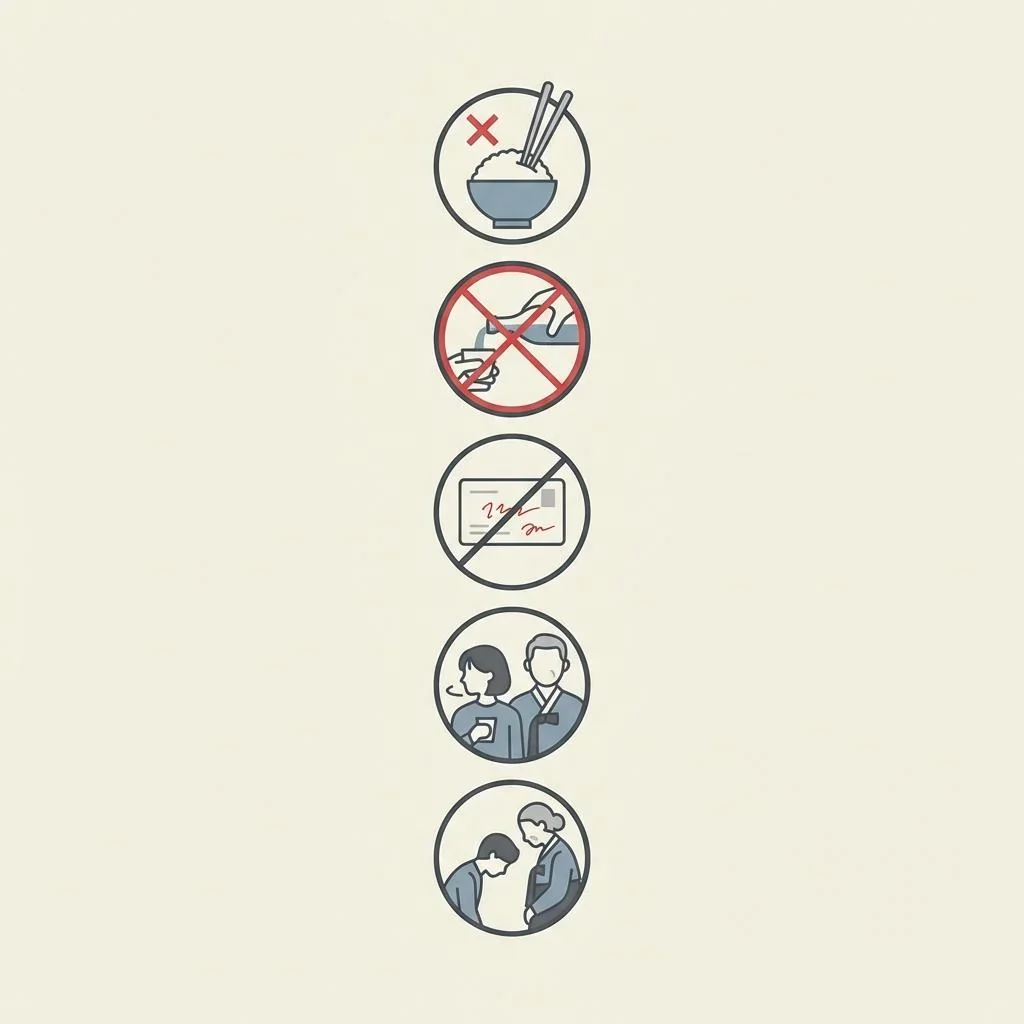
Sticking chopsticks upright in rice isn't just rude—it's a reminder of funeral rituals. Most cultural traps stem from assuming Western logic applies to a society that prioritizes communal harmony over individual expression.
• ✦Drinking Rituals:Never pour your own drink and always use two hands to receive.
• ✦Red Ink:Never write names in red; it's traditionally associated with the deceased.
• ✦First Names:Avoid addressing new acquaintances by their first names—titles matter.
✓ The Benefits
Social Stability Promotes incredible harmony and a sense of shared purpose in society. Clear Expectations Knowing hierarchy reduces the anxiety of "what to do" in formal meetings. Deep Community
A strong sense of belonging and "Jeong" (affectionate attachment).
✕ The Challenges
Restrictive Culture Can feel like it stifles individual creativity and expression. Miscommunications Indirect communication and "saving face" can lead to confusion for expats. Stress to Conform The "Pali-Pali" pace and group pressure can be mentally exhausting.
The Art of Nunchi
Nunchi, or "eye-measure," is the secret weapon for anyone in Korea. It’s the ability to sense the mood (Kibun) of a room without a word being spoken. 1 Don't speak first; observe the hierarchy and leaders. 2 Match your energy level to the room's overall vibe. 3 Identify the quiet ones—they often hold the social truth.
The Etiquette Toolkit
Bowing
15° for peers or store clerks. 30-45° for first meetings, apologies, or showing deep gratitude to seniors.
Dining
Use communal ladles for shared stews. Never start eating until the oldest person picks up their spoon.
Transport
Absolute silence is preferred. Never sit in the end seats reserved for the elderly, even if the car is empty.
Gift Giving
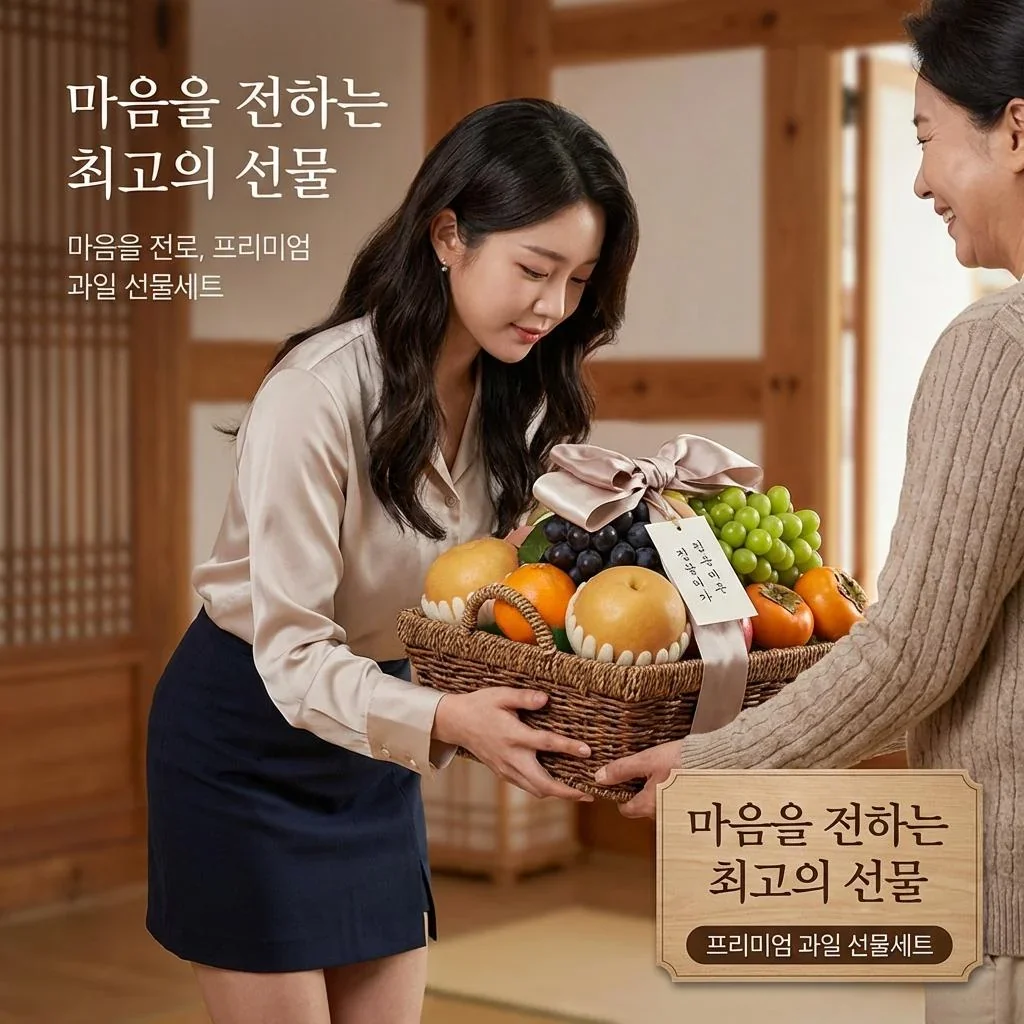
Avoid "4" of anything. Avoid sharp objects. Present all gifts with two hands.

Pro Tip Turn your head slightly away when drinking alcohol with an elder.
"Pali-Pali" vs. Business Punctuality
Korea moves fast, but respect moves faster. For business, 10 minutes early is "on time." For friends, there's a bit more wiggle room, but never leave a text unanswered if you're running late.
! Insider's Secret: The Discomfort Report
Don't like confrontation? Use the subway's "Discomfort Report" hack. Every car has a call button or text-based service. Report disruptions (loud music, peddlers) discreetly by stating your car number. Transit staff will handle it at the next stop.
Cultural FAQ
Is it rude to refuse food? It can be. Better to accept and take a small sip or bite. If you can't drink, state it politely but early. Why do they ask my age? It's not nosy—it's necessary. Age defines the language style (formal vs. informal) and the hierarchy of the relationship. Why is pushing okay on the subway? In anonymous public spaces, it's a functional necessity for efficiency. It's not a personal slight, just urban physics.
Local Living: The Essentials
Adapting to Korean life also means adapting to the environment. From managing
Nanbangbi (heating bills) to fighting the ultra-dry winters with Laneige Cream Skin , these are the daily rituals of a local. Laneige Cerapeptide™ Hongcho Fruit Vinegar
Alzip Noise Mats
Moisturizer Mists
Start Your Journey with Respect
While Koreans are generally understanding of foreigners, making a genuine effort to understand these deeper cultural rules will earn significant respect and foster more meaningful connections.




No comments:
Post a Comment