Feel lost in Korea? Our insider's guide decodes Korean social hierarchy, nunchi, and dining etiquette so you can navigate culture like a local, not a tourist. Why Are They Doing That?! Korea's Unspoken Rules, Finally Explained.

TL;DR: The Ultimate Korea Cheat Sheet
• Harmony over Everything:Most "weird" rules trace back to valuing group harmony. Actions are judged by their impact on the group's mood (kibun), not your personal intent.
• Age is More Than a Number:Your birth year dictates how you speak and act. When in doubt, use formal language (-yo or -nida endings) and gestures (two hands for everything) to show respect.
• Local Hack - The Magic Button:In restaurants, don't wait for service. Press the call button on your table or say "Jeogiyo!" (저기요!). It's not rude; it's expected.
| Core Concept | Action | Impact |
|---|---|---|
| Kibun (Mood) | Prioritize Harmony | Smooth Social Ties |
| Hierarchy | Check Birth Year | Determines Speech Level |
| Nunchi | Read the Room | Avoid Social Friction |
Pros and Cons: Cultural Comparison
| Feature | Pros | Cons |
|---|---|---|
| Collectivism | High public safety and social order | High pressure to conform to norms |
| Social Hierarchy | Clear expectations and protocols | Rigid social structures for younger generations |
| Ppalli-Ppalli Culture | Incredibly fast service and efficiency | High-stress pace and lack of apologies for small bumps |
1. Why is Everyone So Quiet? Common Public Etiquette Mistakes in Korea
As of late February 2026, Seoul is still shaking off a winter chill, with temperatures hovering around 0°C (32°F). This cold snap, coupled with recent news of soaring heating costs, means you'll see Koreans bundled up even indoors. This is your first clue: Koreans value preserving a calm, controlled environment. This extends from personal temperature to public noise. The biggest disjunction foreigners feel is the silence on public transport. It’s not about being unfriendly; it's a communal agreement to create a restful space.

Here’s a quick guide to blending in, not standing out.
[Checklist] Public Space Dos and Don'ts in South Korea
| Do This 👍 | Don't Do This 👎 | Why It Matters |
|---|---|---|
| Set phone to silent | Take loud phone calls | The space is shared for rest, not personal business. |
| Use headphones | Play music or videos aloud | Public transport is an extension of a quiet, shared space. |
| Stand to the side of doors | Block exiting passengers | Efficiency (ppalli-ppalli) is key; smooth flow is respected. |
| Carry trash with you | Search for public trash cans | A lack of bins is a long-standing issue; locals carry their own. |
A common mistake is misinterpreting the lack of smiles from strangers as rudeness. In Korea, smiling at someone you don't know can be seen as strange or even intrusive. Respecting others' personal space and emotional bubble is the common courtesy.
2. The Great Tipping Debate: Cantonian Insight on Korean Service Culture
A persistent myth is that you should tip for good service in Korea.
This is incorrect. Tipping is not part of the culture and can cause genuine confusion or even offense. Staff are paid a full wage, and the price on the menu is the final price.
| Pro of No-Tipping Culture | Con of No-Tipping Culture |
|---|---|
| No complex math after a meal. | Service can feel less attentive to Western standards. |
| Budgeting is simple and transparent. | You can't monetarily reward exceptional service. |
Trying to leave a tip may result in a staff member chasing you down the street to return the money, which can be an awkward experience for everyone involved. The best way to show appreciation is a simple, polite "Gamsahamnida" (감사합니다
- Thank you) with a slight head nod when leaving.
3. How Not to Appear Rude with Korean Dining Etiquette
Korean dining is a communal affair governed by a strict, unspoken hierarchy. Foreigners often break these rules without realizing it, causing discomfort. The entire system is built on respect for elders in Korean culture .
4. Decoding "Nunchi": The Korean Social Superpower

Why did the mood suddenly change? Why did everyone go quiet? The answer is likely Nunchi Korean culture (눈치). Nunchi is the subtle art of "reading the room"—intuitively understanding the mood and context of a situation and reacting appropriately. It’s a survival skill in a high-context, collectivist society. For foreigners, a lack of Nunchi is the primary source of social friction. You're not expected to be a master, but showing you're trying is key. This means observing more and acting less, especially in new group situations.
5. Korean Social Hierarchy Explained for Foreigners: Age is Everything
In the West, "age is just a number." In Korea, it's the primary organizing principle of society. You'll be asked your age (or birth year) upon meeting someone. This isn't nosiness; it's a practical question to determine the correct speech level to use.
• Jondaetmal (존댓말):Formal, polite speech used with elders, superiors, or strangers. (e.g., ending sentences with -요, -yo, or -습니다, -seumnida).
• Banmal (반말):Casual speech used with people younger than you or very close friends of the same age.
Insider's Secret:
As a foreigner, the safest bet is to always use Jondaetmal. Using casual speech inappropriately is a major faux pas. If you struggle with the language, use Naver's Papago app for more accurate translations than Google, and always use two hands when giving or receiving anything—it's a universal sign of respect that transcends language.
6. How to Avoid Common Public Etiquette Mistakes in Korea
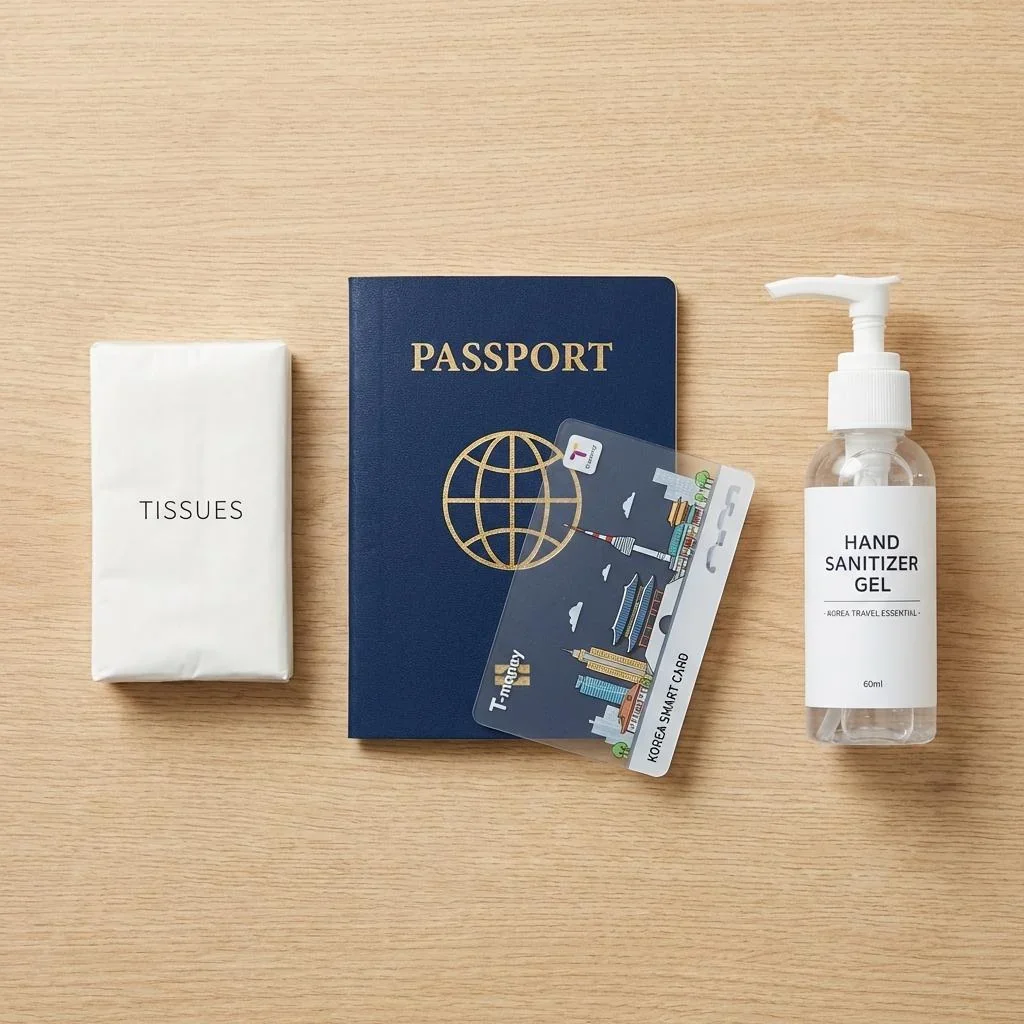
Many public restrooms outside of major tourist hubs or department stores may lack toilet paper or soap. It’s a common issue that catches many travelers off guard. Local Hack:
Always carry a small pack of tissues and a travel-sized hand sanitizer. A popular Korean brand is
Clean Well Hand Sanitizer Gel , which you can find in any Olive Young or convenience store. This simple preparation avoids a lot of potential discomfort.
7. Navigating the Language Barrier with Respect
While many younger Koreans speak English, starting an interaction in English without asking can be seen as slightly aggressive. Using a few basic Korean words shows effort and respect for the local culture. Even a simple "Sillyehamnida" (Excuse me) goes a long way.
8. The Concept of "Uri": Collective Ownership
Koreans often use the word "Uri" (Our) instead of "My." They say "Our house," "Our mother," or "Our country." This reflects the collectivist nature of the society. When you are invited into a group, you are part of the "Uri," which comes with both support and social obligations.
9. Trash Disposal: A Complex System
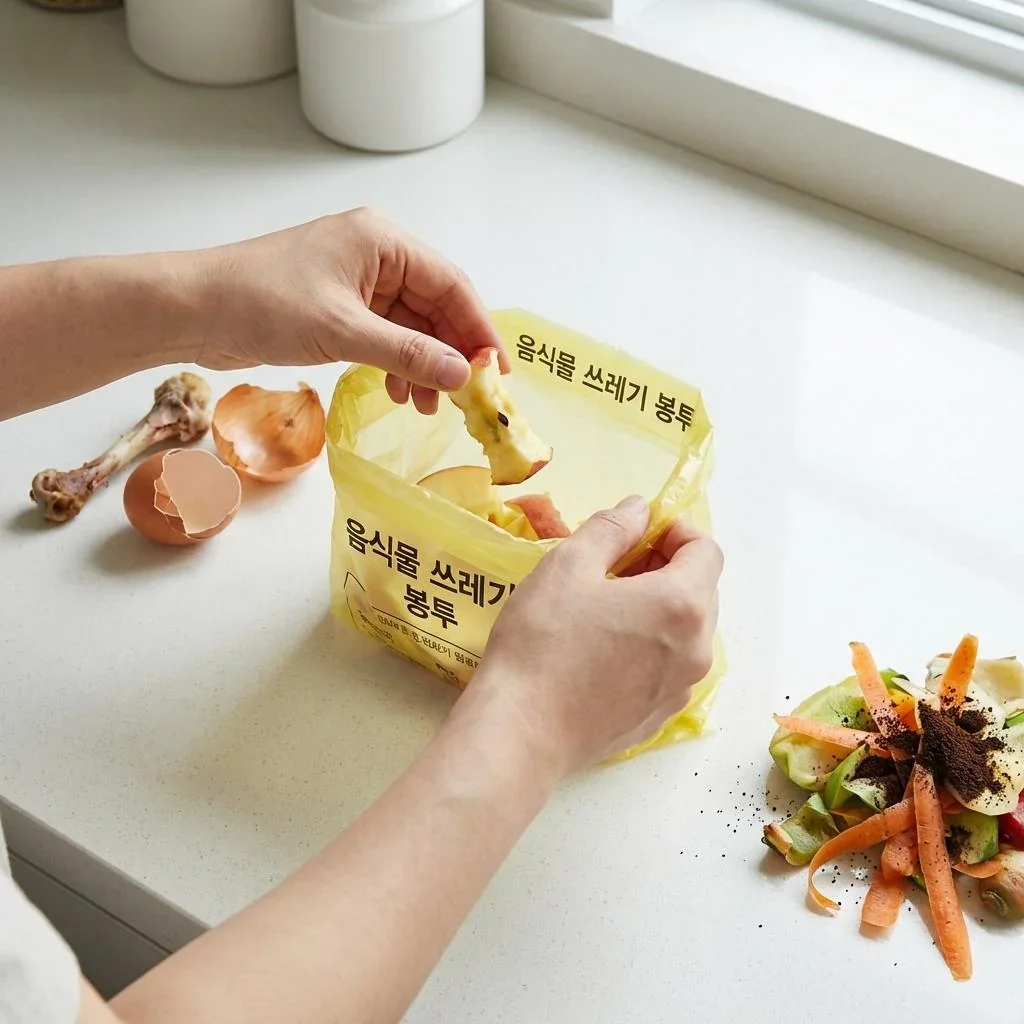
Korea has one of the most rigorous recycling systems in the world. Garbage must be separated into general waste, food waste, and recyclables (plastic, paper, glass, metal). Using the wrong bag or mixing food waste with general waste can result in heavy fines for residents. As a visitor, pay close attention to the icons on public bins.
10. Gift Giving Etiquette
If invited to someone's home, never arrive empty-handed. Fruit, high-quality tissues, or detergent are traditional housewarming gifts. For a casual visit, a box of "Bacchus" or energy drinks is a safe and appreciated choice. Again, use two hands when presenting the gift.
11. Personal Space vs. Physical Contact
While personal space is valued in public silence, physical contact between friends of the same gender (like holding hands or walking arm-in-arm) is very common and not necessarily indicative of romantic interest. However, public displays of affection (PDA) between romantic partners are traditionally more conservative than in the West.
Common Questions
Q1: I accidentally used one hand to give money to a cashier. Did I deeply offend them?
A: You likely didn't cause deep offense, especially as a foreigner. Koreans understand cultural differences. However, the cashier may have felt a fleeting moment of disrespect. Just remember to use two hands next time. A small nod can also help show politeness.
Q2: Someone bumped into me and didn't apologize. Why?
A: This is a classic example of Korea's "ppalli-ppalli" (hurry, hurry) culture, especially in crowded cities like Seoul. In a packed subway or busy street, minor bumps are considered a normal part of navigating the crowd, and stopping to apologize would impede the flow of traffic. It's rarely personal.
Q3: Is it true I shouldn't write someone's name in red ink?
A: Yes, absolutely. This is one of the most important Korean cultural taboos for foreigners. Historically, red ink was used to write the names of the deceased on family registers and funeral banners. Writing a living person's name in red is considered a bad omen, akin to wishing them harm or death.
Whether you are wandering the historic alleys of Bukchon Hanok Village or navigating the neon-lit streets of Gangnam, these rules will serve as your compass. Korea is a society that values the effort of the "outsider" to harmonize with the "inside." Navigating Korea's cultural landscape can feel like learning a secret code. But by understanding the "why" behind the rules—the emphasis on harmony, hierarchy, and Nunchi—you can move beyond the "dos and don'ts" to genuinely connect with the culture. The effort to understand, even if imperfect, is the most respected gesture of all.