
Digital Etiquette Guide
The Silent Transaction
Navigating the seamless, high-tech evolution of Korea's cafe culture where code meets caffeine.
The Reality
"Your coffee is ready, but your turn is next." Learn to bypass the digital hurdles and navigate Seoul's eateries like a local.
The Core Insight
Korean cafes and restaurants prioritize digital efficiency through kiosks and waiting apps. To navigate this system, learn to spot the language-change button and, most importantly, download the "CatchTable Global"
app before your trip.

Expectation vs. Reality
What Visitors Expect Cozy, intimate experiences portrayed in media. Leisurely chats with baristas, slow-paced ordering, and a romanticized environment built on personal interaction and "main character" vibes. The Reality
A swift, often impersonal system of digital ordering screens and virtual queues. Efficiency is the priority, replacing small talk with a silent, high-tech transaction that prioritizes throughput.
What Locals Actually Notice
1
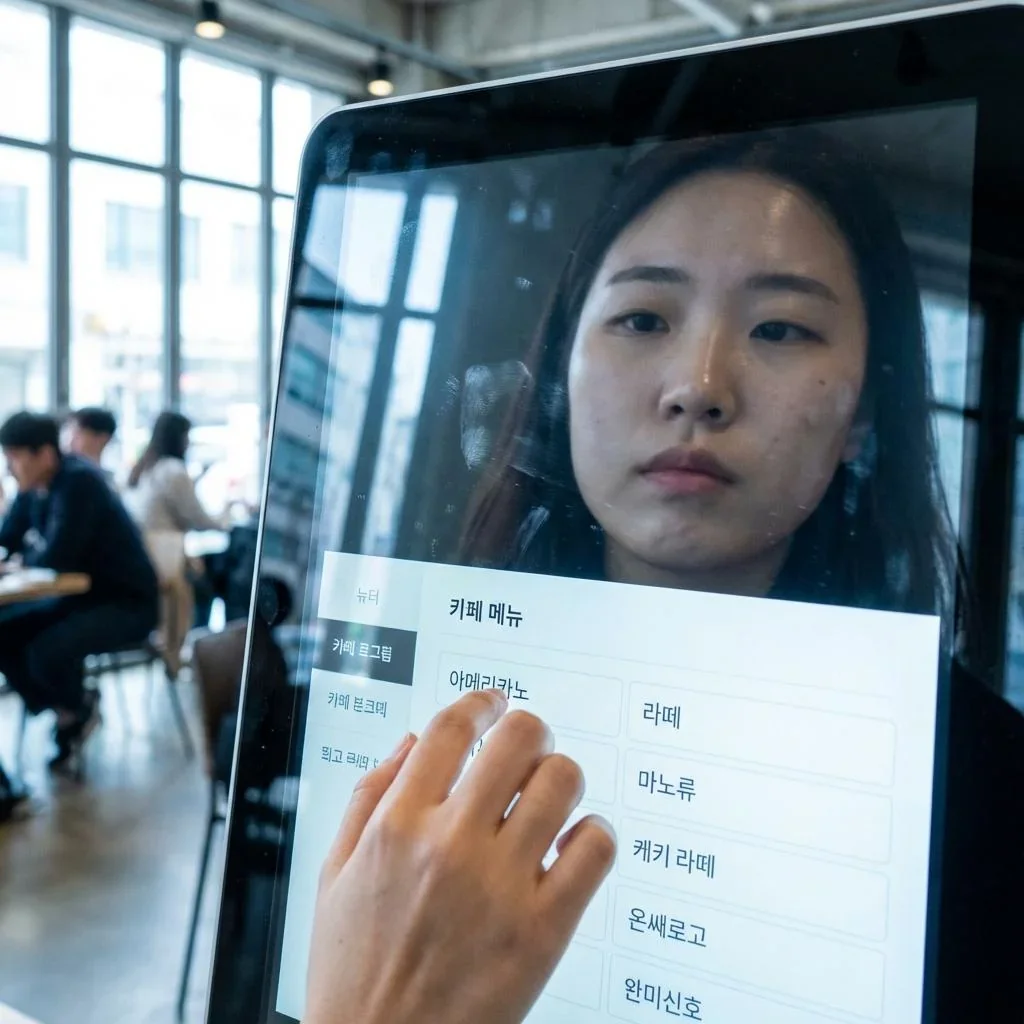
Queue Friction
A visitor hesitating at the kiosk, visibly slowing down the "ppalli-ppalli" flow during the lunch rush.
2
Ghost Queues
Waiting in a physical line for a popular restaurant while everyone else has already joined the digital queue via app. 3
Bypassing the Flow
Approaching staff directly when a kiosk is available is seen as an disruption to the standardized system.
Debunking the Myths
"Dismissive Staff"
Pointing to a kiosk isn't rude; it's the standard SOP. Staff are trained to keep the digital ecosystem moving.
"The Empty Restaurant"
An empty venue with a "waiting list" isn't closed—it's fully booked by virtual queue users arriving shortly.
"Digital Literacy"
The barrier isn't tech skill; it's the lack of multilingual support in local, non-franchise establishments.
Why It Works This Way
"The system is a direct expression of Korea’s 'ppalli-ppalli' (hurry-hurry) culture, which prizes speed and efficiency above all else." Digital kiosks reduce errors and labor costs while satisfying a cultural preference for minimizing unnecessary small talk. A long virtual queue even signals popularity, turning waiting into a social currency for locals.
Navigating Like a Local
Your toolkit for digital success in the streets of Seoul.
1. CatchTable Global
Download this before arrival. It allows reservations and virtual waiting lists without a Korean phone number or bank account. 한글 KR
2. Master the Keywords
주문하기 Order 포장 Takeout 매장 For Here 결제하기 Pay
3. Scan for Flags
Always check the screen corners for a small flag icon or "ENG." Major chains like Mega Coffee or Hollys Coffee almost always have this hidden in plain sight.
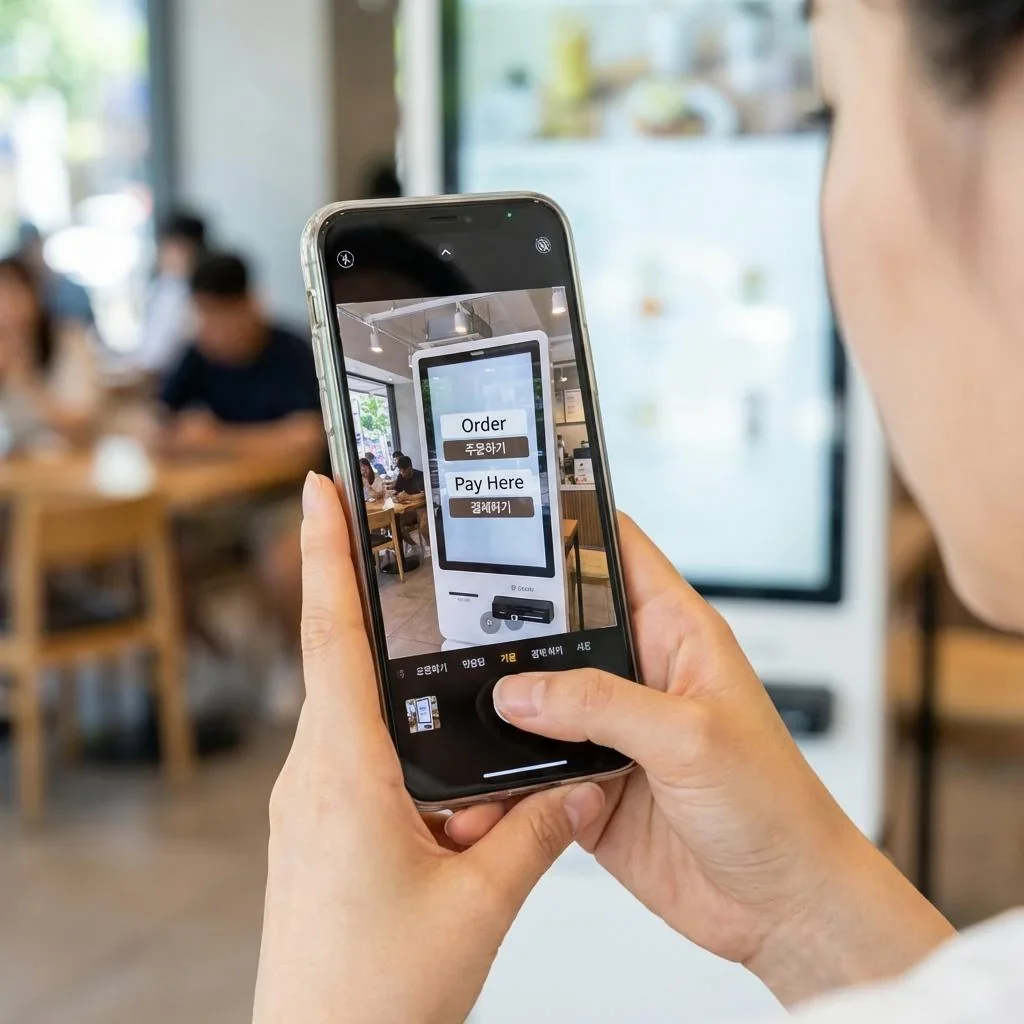
4. Naver Papago
The "Golden Key." Use the camera function for real-time translation of any kiosk screen or physical menu. It's more accurate than other tools for Korean context.
Quiet Confidence
Adapting to Korea’s cafe culture is a shift from personal service to an appreciation for streamlined, quiet efficiency. By mastering these digital tools, you move from being a confused visitor to an informed practitioner, navigating the city’s social rhythm with quiet confidence.
Back to Top




No comments:
Post a Comment