
Cultural Masterclass
Mastering Korean Etiquette
Unlock social secrets and navigate K-lifestyle with grace. From age hierarchy to the art of nunchi . Start Learning
Avoid Blunders
The Core Pillars
Essential concepts that define Korean social structure.
Hierarchy
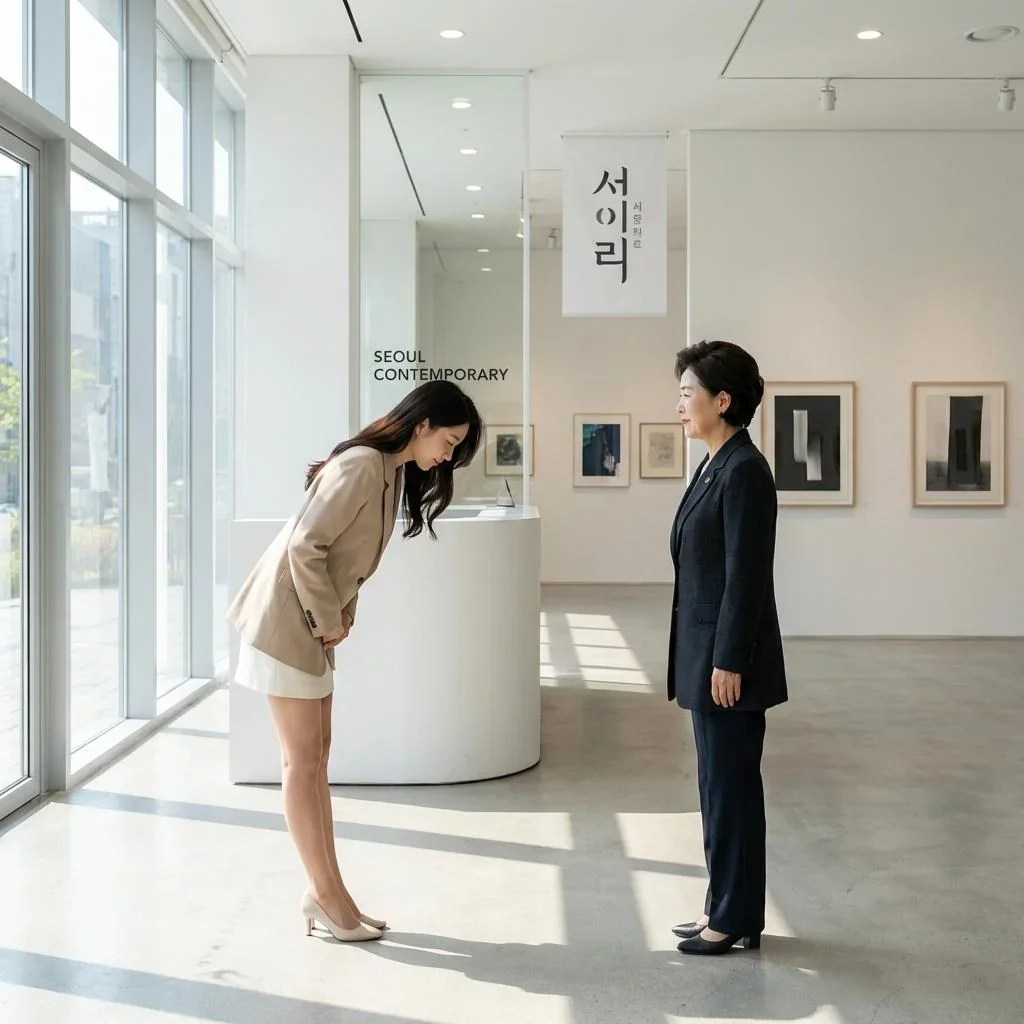
Age is the primary compass. It dictates how you speak, where you sit, and how you receive items (always use two hands!).
Silence
Public spaces are shared sanctuaries. Keeping noise levels low is a sign of deep communal respect.
Practicality
Gifts like toilet paper or detergent are prized for symbolizing prosperity and smooth transitions.
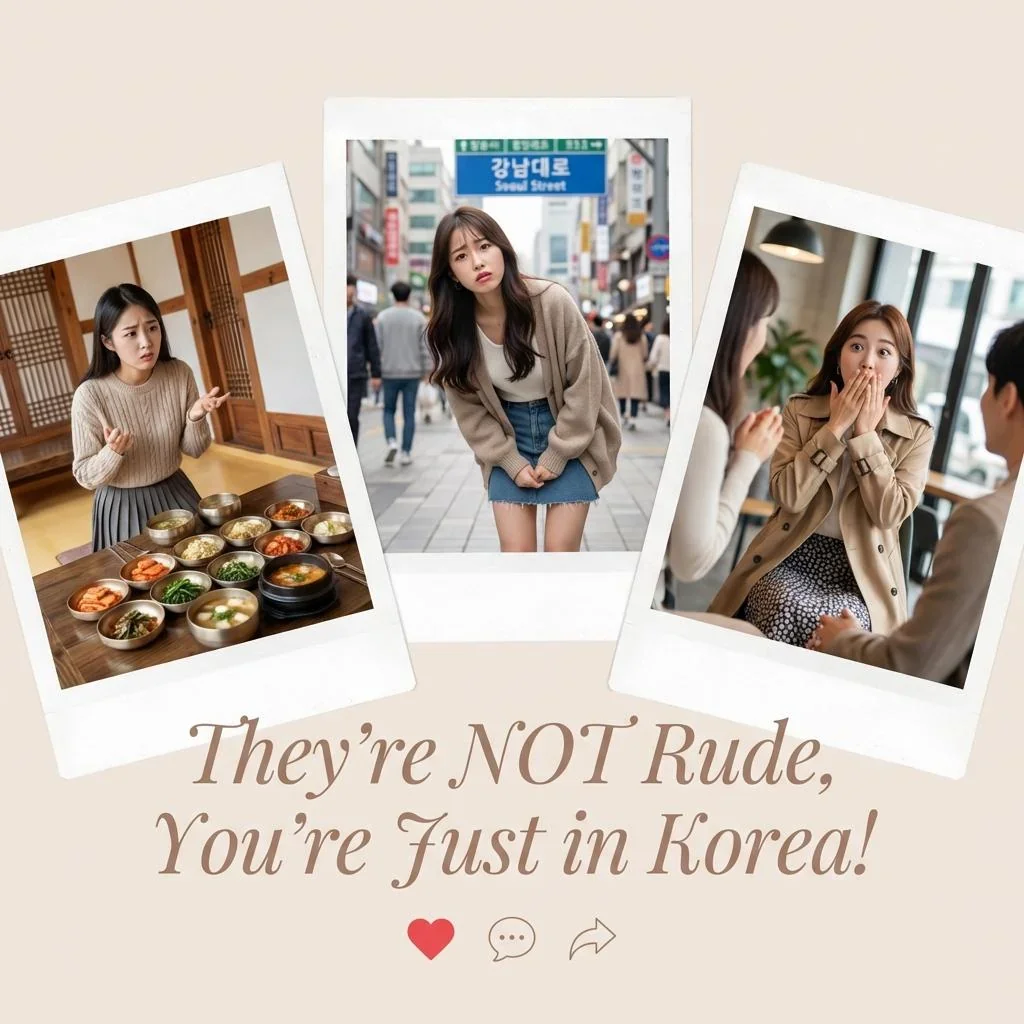
The Dining Table Harmony & Hwa
Korean meals are communal experiences built on the concept of Jeong (정) —the deep feeling of attachment and community. 01
Wait for the Elder
Do not lift your utensils until the oldest person has started their meal. 02
Utensil Etiquette
Spoons for soup, chopsticks for sides. Never stick them upright in rice—it mimics funeral rituals. 03
Drink Flow
Never pour your own drink. Refill others' glasses first, using two hands to hold your cup if they pour for you.
The "Jeong" Experience
Communal dining pros and cons for visitors. Pros
• ✓Encourages deep social bonding.
• ✓Diverse tasting experience (Banchan).
• ✓Strong sense of community.
Cons
• ×Initial confusion over sharing rules.
• ×Hygiene adaptation for some.
• ×Group pressure to match drinking pace.
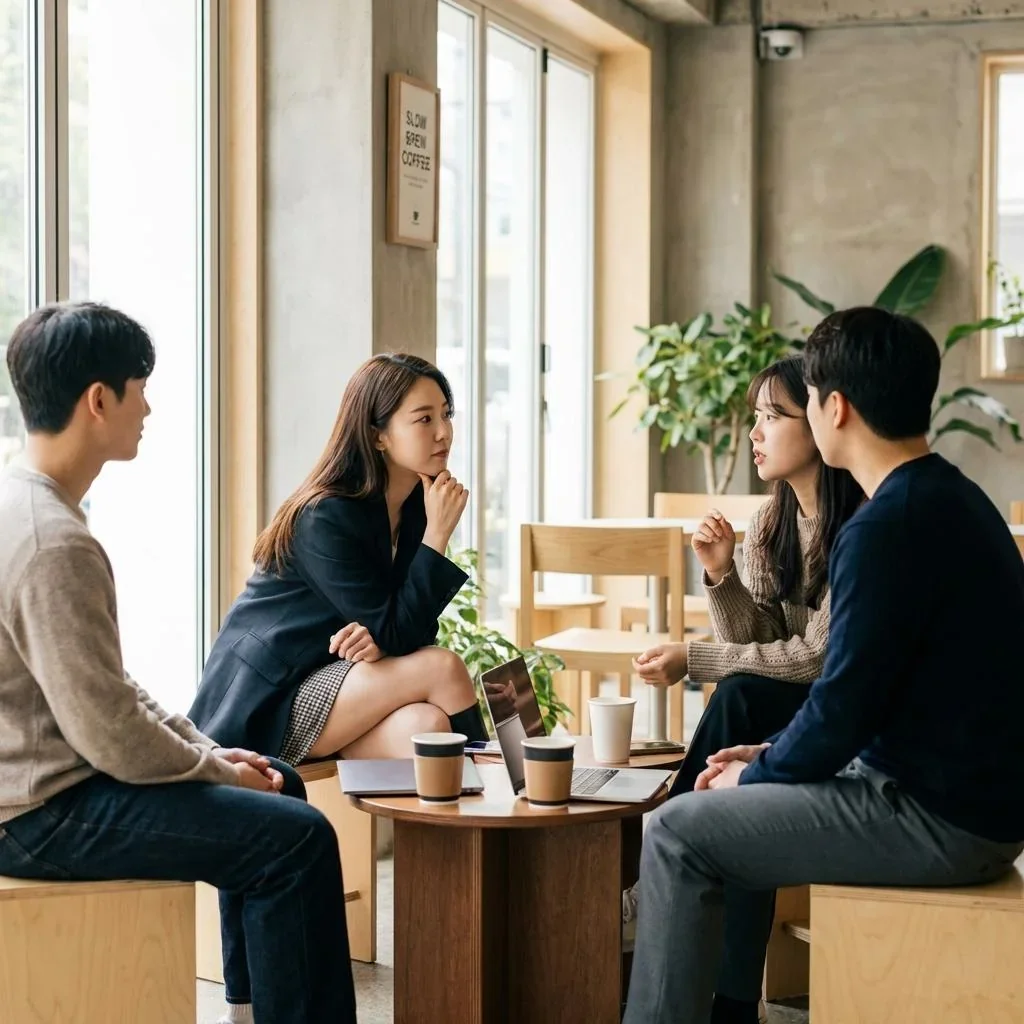
The Art of Nunchi (눈치)
"The ability to gauge a situation, mood, and unspoken cues. In Korea, what isn't said is often more important than what is."
Indirectness
Maintaining "Kibun" (mood) is key. A "yes" might just mean "I hear you," and criticism is often wrapped in suggestions.
Pali-Pali Culture
"Hurry, hurry!" Efficiency dominates public interaction. Don't take it personally if a door isn't held; it's just the fast pace of life.
Humility
Accepting praise directly can seem arrogant. Deflect compliments with a humble "Anieyo" (No, it's not) to stay gracious.
Public Transport Rules
Silence is golden. Avoid phone calls, keep whispers low, and never take seats reserved for the elderly or pregnant.
Critical Red Flags
✍️
Red Ink Names
Writing a person's name in red ink is associated with death. Always use black or blue for the living. 🖐️
Palm-Up Beckoning
Used for animals. To call someone over, use your palm down and flutter your fingers towards yourself. 💸
One-Handed Swipes
Passing cards or money with one hand is seen as dismissive. Use both hands or support your right wrist with your left hand.
Gift Giving: Practicality is King
Forget expensive baubles. When visiting a home, premium toilet paper or laundry detergent are the "gold standard" gifts. They symbolize smooth paths and growing prosperity.

Why No Tipping?
In Korea, excellent service is factored into the wage. Tipping can be seen as an insult—implying the business treats its staff poorly or that the customer is flaunting wealth. Keep your bills; a simple "Gamsahamnida" (Thank you) is the best reward.
Visitor FAQ
Q: I sat in priority seating by mistake. Now what?
Get up immediately. A slight bow to any elders nearby will smooth over the mistake and show your respect for the rule.
Q: How can I pay for dinner if they insist?
It's hard to override a senior. Instead, offer to buy coffee or dessert afterward. It's a gracious way to reciprocate.
Q: Can I take photos of people in public?
Generally, no. Privacy is highly valued. Always ask before photographing someone, especially the elderly.
Ready for your K-Adventure?
Korean etiquette is essentially an exercise in humility and community. By observing and showing respect, you'll find Koreans to be incredibly welcoming hosts. Back to Top




No comments:
Post a Comment