
Cultural Intelligence
Navigating Korea’s Unspoken Rules
The space between people says more than words. Master the delicate balance of Nunchi in a world where tradition meets the digital frontier.

Social Fusion Korean life operates on two conflicting systems: rigid Confucianism and hyper-individualism.
Foreign Expectations
Visitors often anticipate a serene, uniformly polite society influenced by K-Dramas. They expect ancient customs to be followed universally and without friction.
The Reality
A fast-paced, high-pressure environment where traditions clash with modern life. Politeness is a highly specific language of hierarchy, not just general kindness.
What Koreans Actually Notice
Calibration of Age
"How old are you?" is essential data. It establishes correct honorifics and social standing instantly.
Two Hands
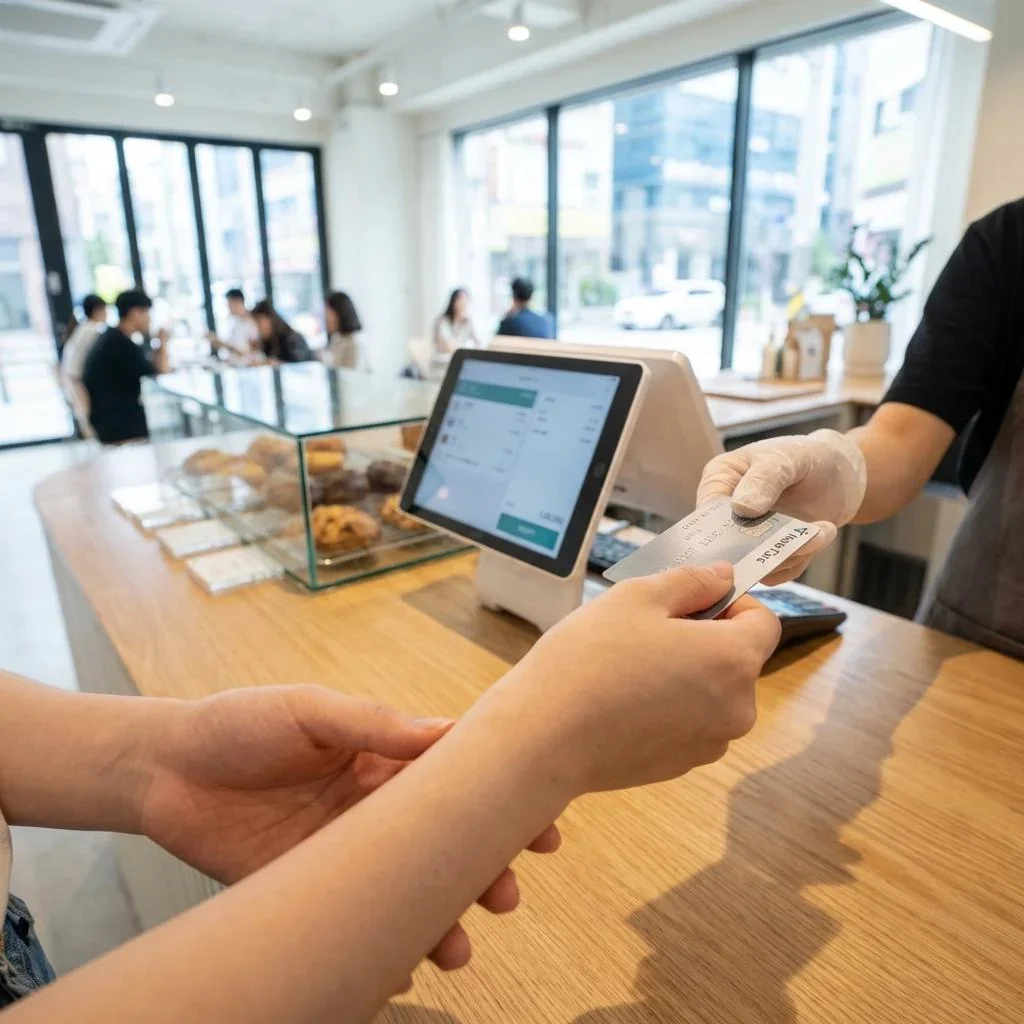
Cards and items must be given/received with both hands.
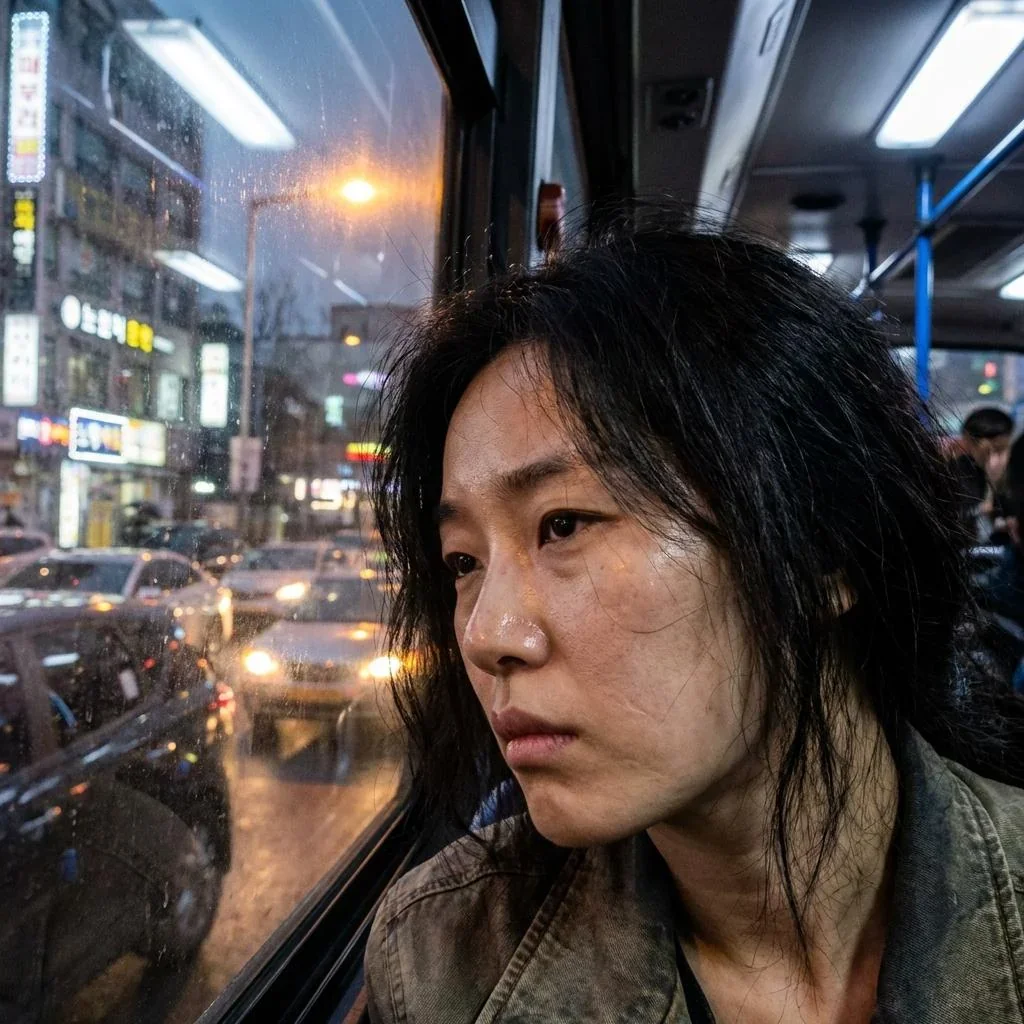
Spatial Awareness
The "invisible force field" of priority seats and total silence on public transport.
The "Blank Stare" Friction
A younger generation processing info versus elders expecting an immediate verbal response. This friction is a hallmark of modern Korean social shifts.
The Hierarchy Paradox
Efficiency vs. Tradition: Why doors might close in your face and why the "Ajumma push" isn't an act of aggression, but a spatial reality.
Common Misunderstandings
01
Social Isolation Ritual
Pouring your own drink signals social isolation. Always pour for others and let them pour for you. 02
The Taxi Wave
Waving with an upturned palm is offensive—it's how one calls a dog. Use palm facing down. 03
Efficiency vs. Rudeness
Public chivalry (holding doors) is rare because the focus is on personal efficiency in high-density spaces.
The Root: Confucianism & Speed
The foundation prioritizes social harmony and a rigid hierarchy. Maintaining group order is more important than individual expression. Palli-Palli The "Hurry-Hurry" culture demanding extreme efficiency. Untact
Avoiding social exhaustion through digital kiosks and solo culture.
Actionable Guide: Navigate Like a Local
01
State Your Age Clearly
When asked, answer directly. This allows locals to place you in the hierarchy and use the correct language—a sign of respect for them. 02
Master the Two-Hand Rule
Handing over passports, cards, or gifts? Use both hands or support your right forearm with your left hand to show humility. 03
Observe Public Silence
Put in headphones immediately. Respect the communal peace over your individual conversation. Use Naver Map for transit. 04
Master "Nunchi"
The art of situational awareness. Pause and observe. Are others waiting for elders? Where are the utensils? Read the room before you act. 05
Digital First Mindset
Message on KakaoTalk before calling. Use kiosks at cafes. Keep Papago ready for real-time translation. 06
The Apology Bow
A quick 15-degree bow and a soft
"Joesonghamnida" fixes almost any minor transgression or bump.
Maintain the Balance
"Navigating Korea is less about memorizing rules and more about understanding the desire for social harmony. Move from a visitor following a script to an informed practitioner of a complex social language." Master the Etiquette




No comments:
Post a Comment