Start Here: Daily Life in Korea Explained for Foreigners

The Unspoken Social Contract

Social Etiquette Guide

The Unspoken Social Contract

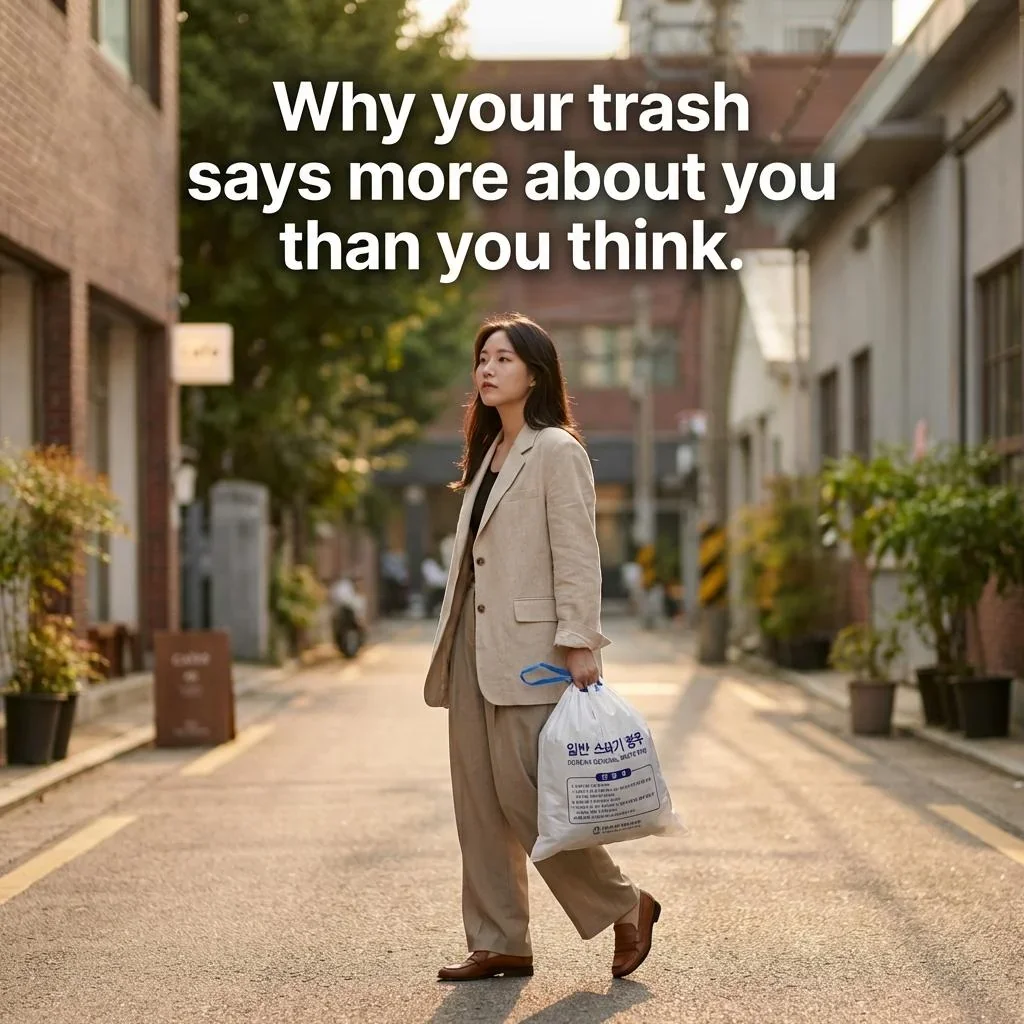
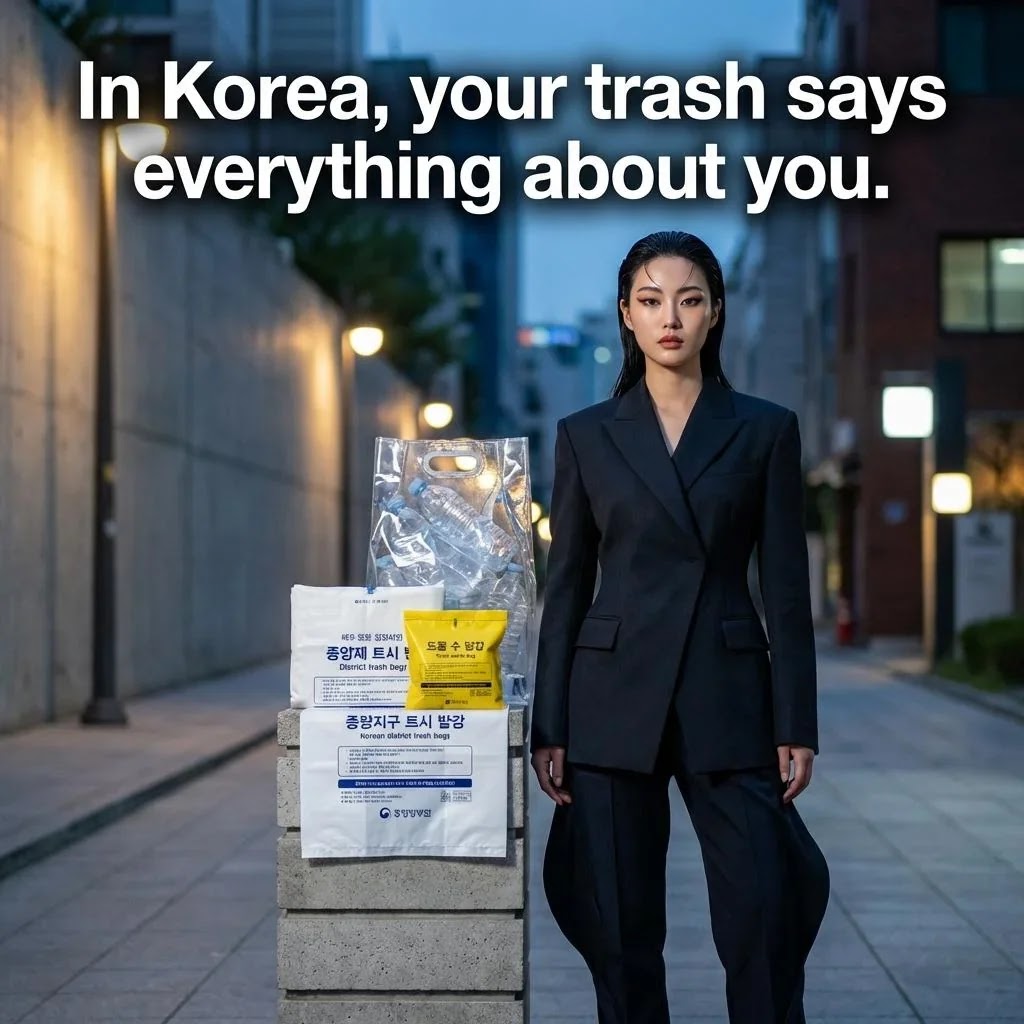
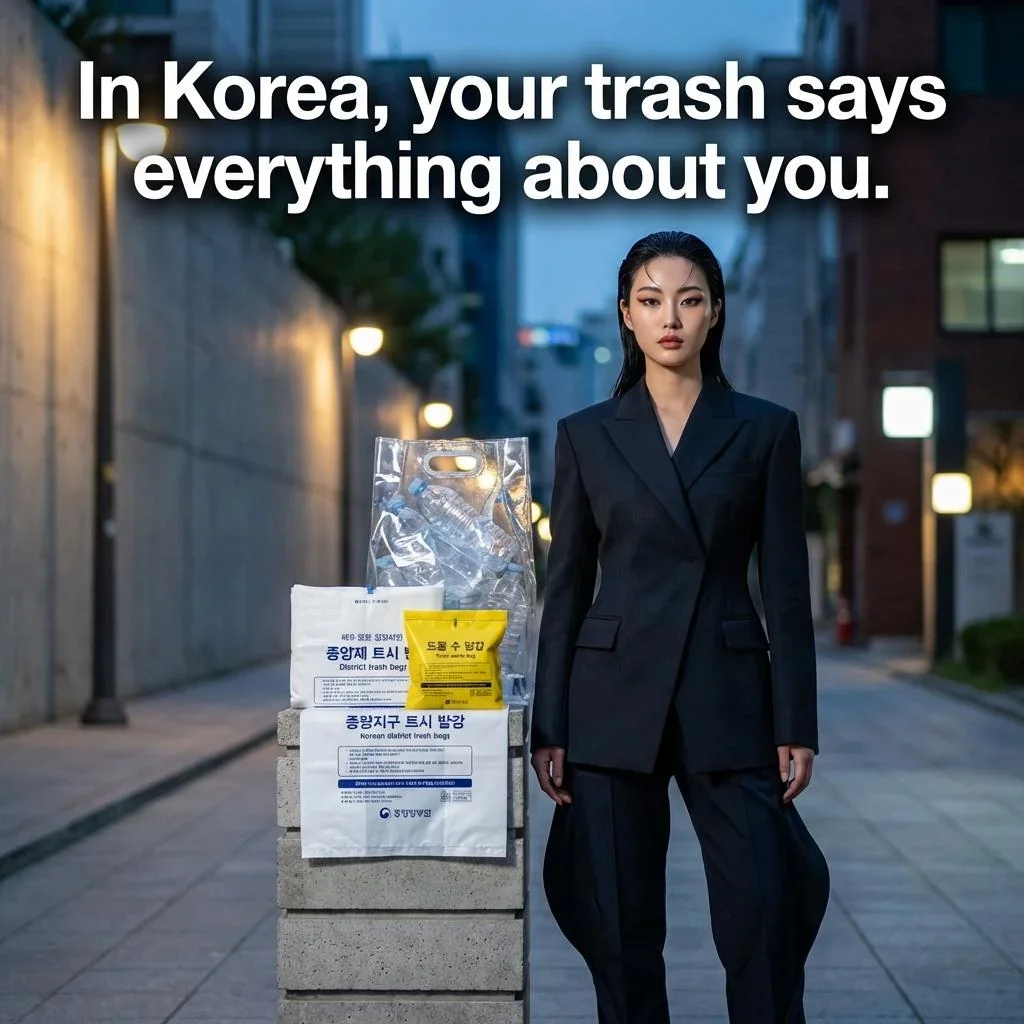
In Korea, your trash says everything about you. It's not just waste; it's a meticulously regulated display of community respect.
A confused traveler in Seoul

In Short

"In South Korea, waste disposal is a meticulously regulated system reflecting a deep sense of collective social responsibility. You pay for what you cannot recycle, and sorting is a public display of consideration."

Expectation vs. Reality

The Visitor's Mindset

"I'll just find a public bin."

Most visitors anticipate a straightforward process: find a public bin or use a simple co-mingled recycling container. They expect the system to adapt to their convenience.

The Korean Reality

A high-precision local duty.

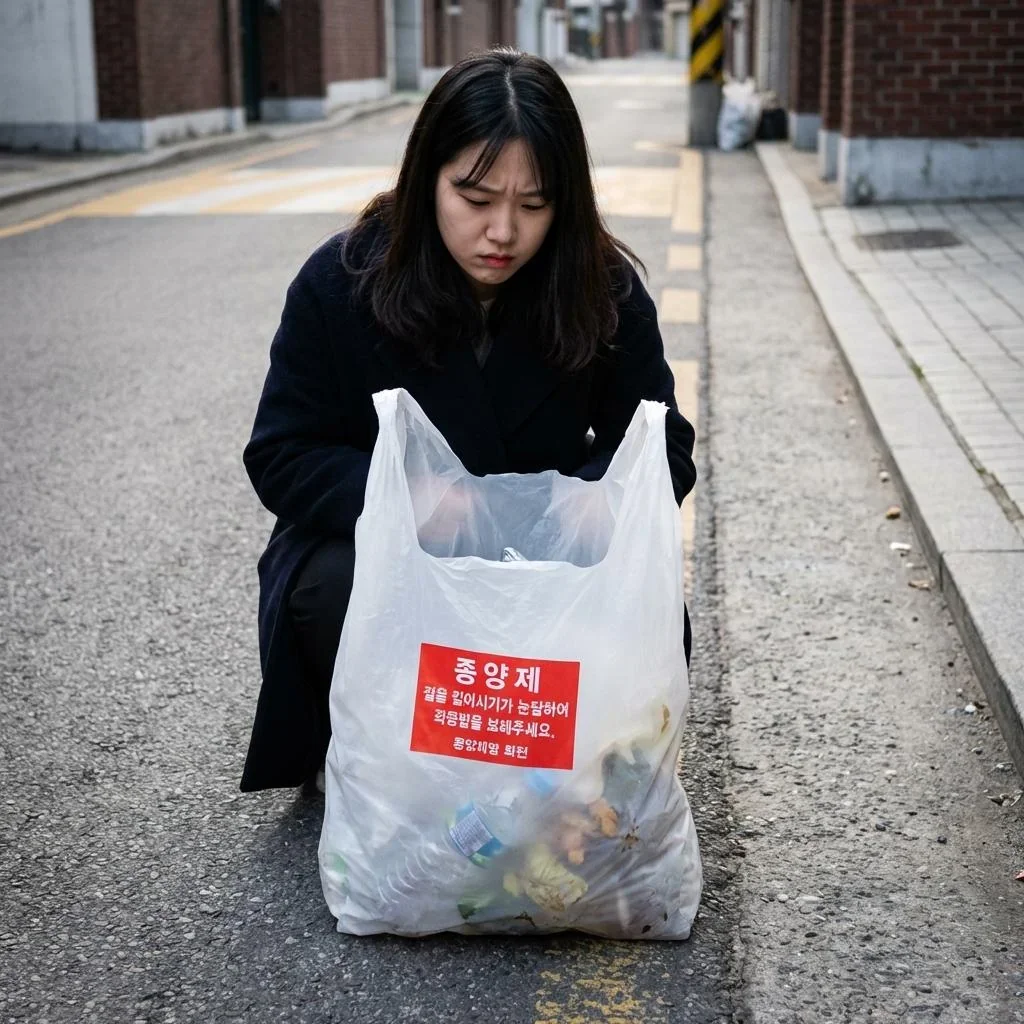
A near-total absence of public trash cans and a home disposal system requiring surgical precision. This is the first significant "culture shock" for many.
Meticulously sorted recycling

What Koreans Actually Notice

Locals observe the details of waste disposal as a reflection of your social awareness. Mistakes are visible signals of a failure to participate. 01

Wrong District Bag

Using a bag from a different 'gu' signals a lack of local knowledge and respect for the local budget. 02

Food Residue

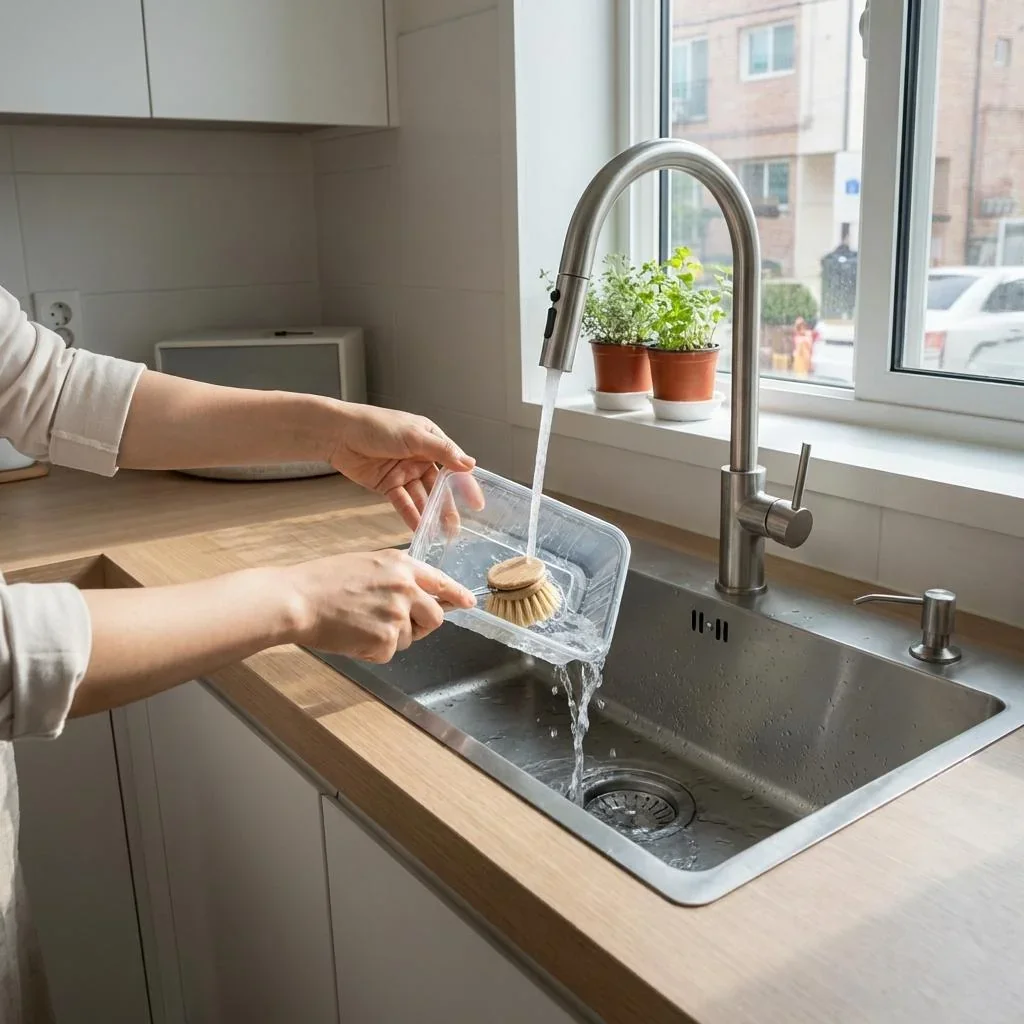
Leaving food in containers is seen as inconsiderate to the workers who handle your waste. 03

The Clink

The sound of glass bottles inside an opaque general waste bag is an immediate giveaway of improper sorting. 04

Bad Timing

Leaving trash out on the wrong day disrupts the entire neighborhood's visual harmony.
The Korean Mindset Minimalist Grid

The "Jongnyangje" System

The Volume-Based Waste Fee System makes individuals financially responsible for their non-recyclable waste. The disposal cost is built into the official bags.

Financial Incentive

Recycle more to spend less on official general waste bags.

Social Harmony

Proper sorting is a gesture of respect for neighbors and sanitation workers.

The Local Playbook

01

Procure the Correct Bags

Go to any convenience store and ask the clerk. They are kept behind the counter. General Waste "Ilban sseuregi bongtu juseyo" Food Waste "Eumsikmul sseuregi bongtu juseyo" 02

Internalize the "Big Three"

Set up three separate bins in your home immediately: General, Food, and Recyclables. Pre-sorting prevents cross-contamination and makes the system manageable. 03

Master the Recyclables Rule

Clean and Separate: Plastic, vinyl, paper, glass, and cans must be rinsed clean. Remove labels and flatten items. One dirty item can ruin an entire batch. 04

NOT Food Waste Checklist

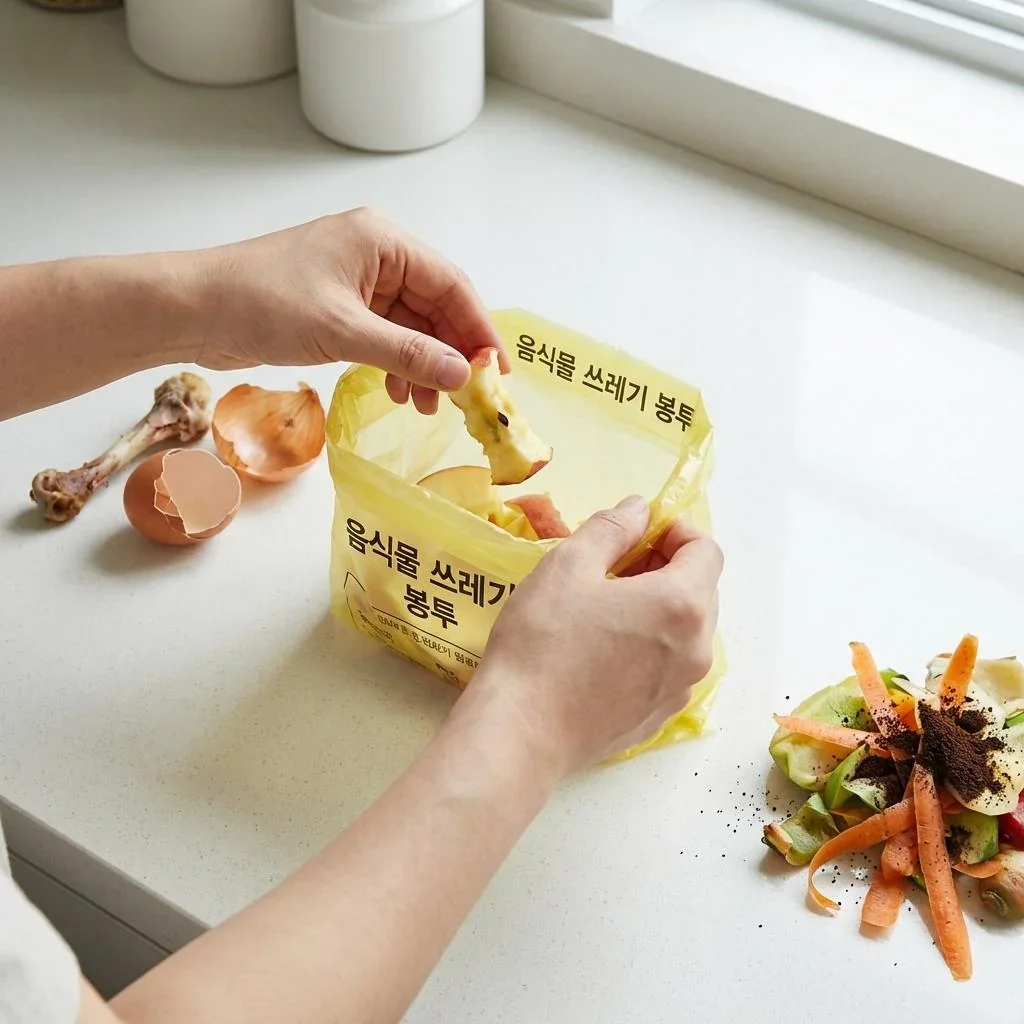
Korean food waste is recycled into animal feed. If it's too hard for an animal to eat, it's general waste. Bones Seafood Shells Egg Shells Fruit Pits Tea Bags Onion/Garlic Skins 05

The Tech Edge

Bin Buddy

Uses your camera to identify items and provides district-specific sorting instructions in English.

Ppaegi (빼기)

The standard app for bulky items like furniture. Register and pay for stickers online instantly. 06

Confirm Local Schedule

Every neighborhood has its own rhythms. Ask your landlord for the collection times (usually at night) and the exact curb location. This prevents your trash from being "shamed" by being left behind.

More Than Waste

Mastering this system is a lesson in cultural integration. By sorting your waste with care, you are no longer just a visitor—you are an active participant in the harmony of modern Korean life.

MasteringKoreanEtiquette

Cultural Masterclass

Mastering Korean Etiquette

Unlock social secrets and navigate K-lifestyle with grace. From age hierarchy to the art of nunchi . Start Learning

Avoid Blunders

The Core Pillars

Essential concepts that define Korean social structure.

Hierarchy

Age is the primary compass. It dictates how you speak, where you sit, and how you receive items (always use two hands!).

Silence

Public spaces are shared sanctuaries. Keeping noise levels low is a sign of deep communal respect.

Practicality

Gifts like toilet paper or detergent are prized for symbolizing prosperity and smooth transitions.

Korean Culture

The Dining Table Harmony & Hwa

Korean meals are communal experiences built on the concept of Jeong (정) —the deep feeling of attachment and community. 01

Wait for the Elder

Do not lift your utensils until the oldest person has started their meal. 02

Utensil Etiquette

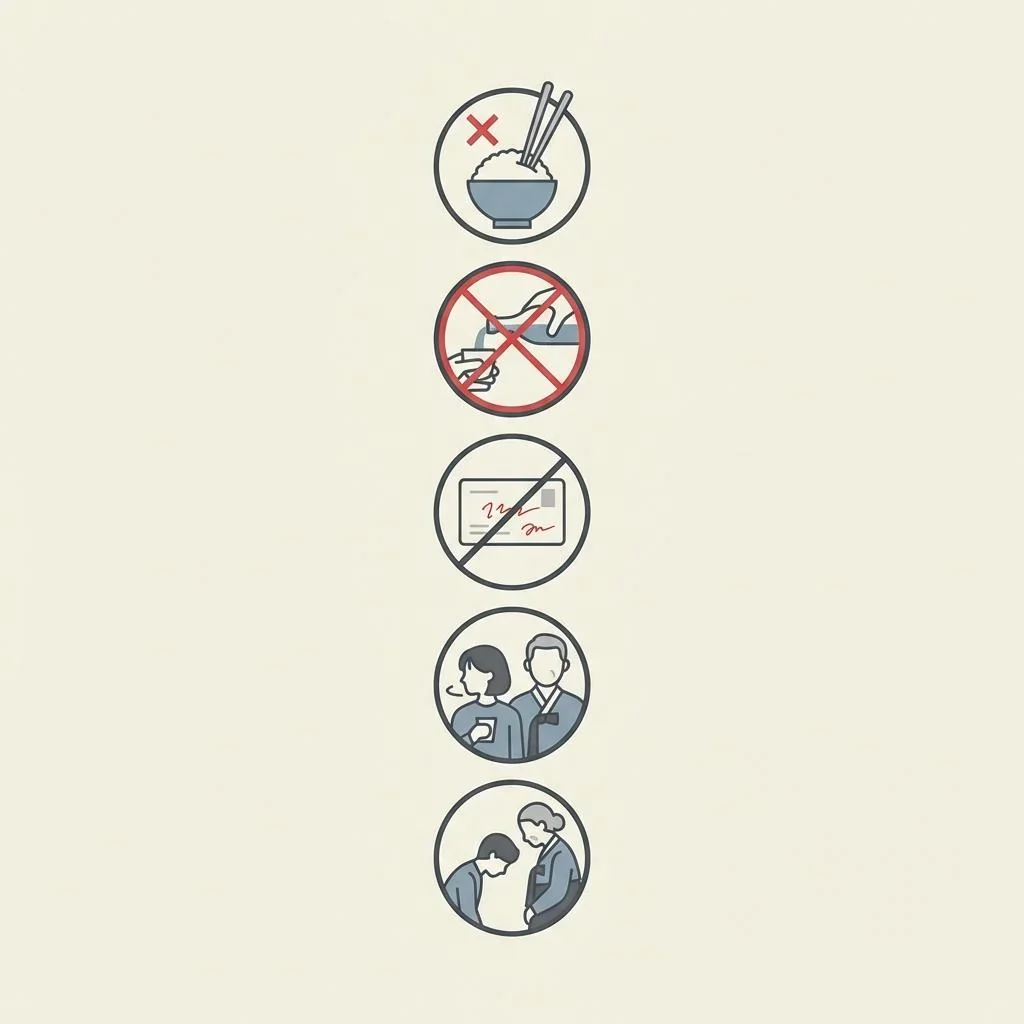
Spoons for soup, chopsticks for sides. Never stick them upright in rice—it mimics funeral rituals. 03

Drink Flow

Never pour your own drink. Refill others' glasses first, using two hands to hold your cup if they pour for you.

The "Jeong" Experience

Communal dining pros and cons for visitors. Pros

• ✓Encourages deep social bonding.

• ✓Diverse tasting experience (Banchan).

• ✓Strong sense of community.

Cons

• ×Initial confusion over sharing rules.

• ×Hygiene adaptation for some.

• ×Group pressure to match drinking pace.

Dining Etiquette

The Art of Nunchi (눈치)

"The ability to gauge a situation, mood, and unspoken cues. In Korea, what isn't said is often more important than what is."

Indirectness

Maintaining "Kibun" (mood) is key. A "yes" might just mean "I hear you," and criticism is often wrapped in suggestions.

Pali-Pali Culture

"Hurry, hurry!" Efficiency dominates public interaction. Don't take it personally if a door isn't held; it's just the fast pace of life.

Humility

Accepting praise directly can seem arrogant. Deflect compliments with a humble "Anieyo" (No, it's not) to stay gracious.

Korean Public Life

Public Transport Rules

Silence is golden. Avoid phone calls, keep whispers low, and never take seats reserved for the elderly or pregnant.

Critical Red Flags

✍️

Red Ink Names

Writing a person's name in red ink is associated with death. Always use black or blue for the living. 🖐️

Palm-Up Beckoning

Used for animals. To call someone over, use your palm down and flutter your fingers towards yourself. 💸

One-Handed Swipes

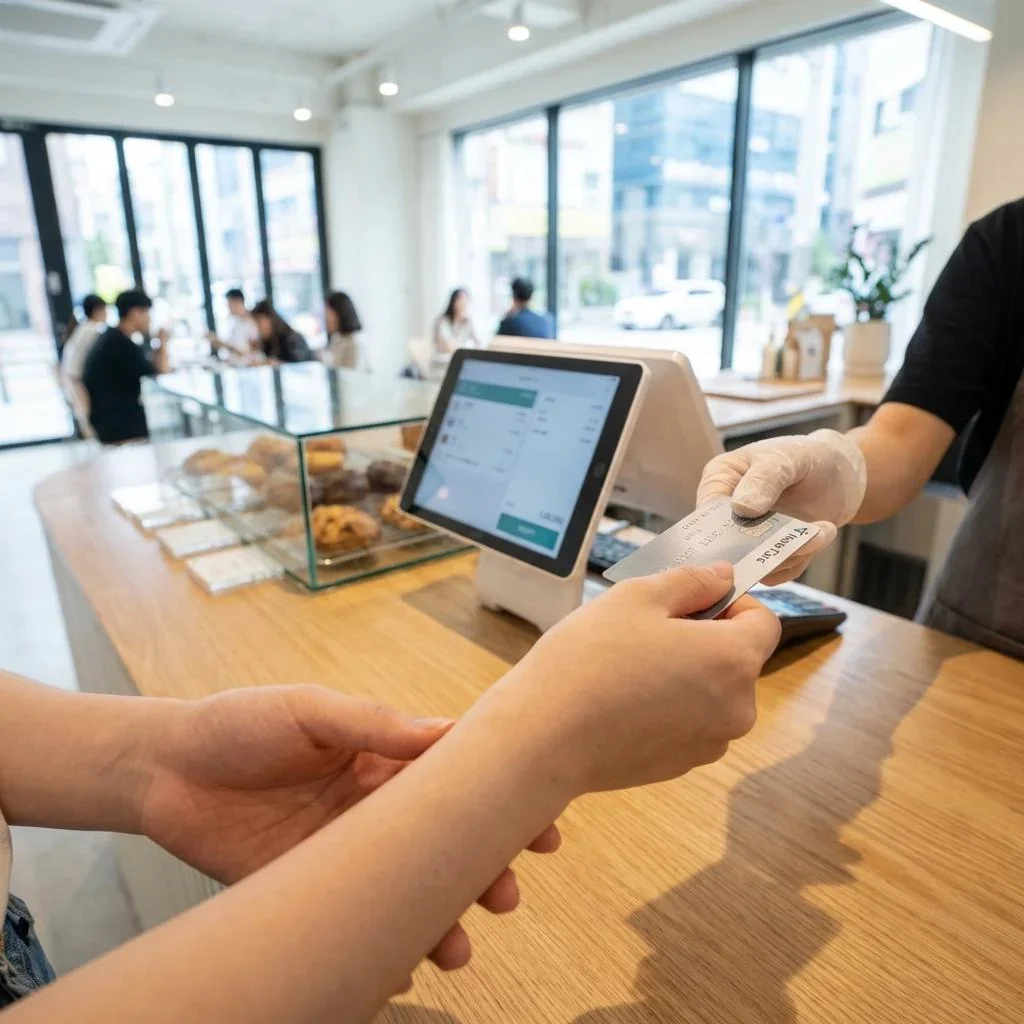
Passing cards or money with one hand is seen as dismissive. Use both hands or support your right wrist with your left hand.

Gift Giving: Practicality is King

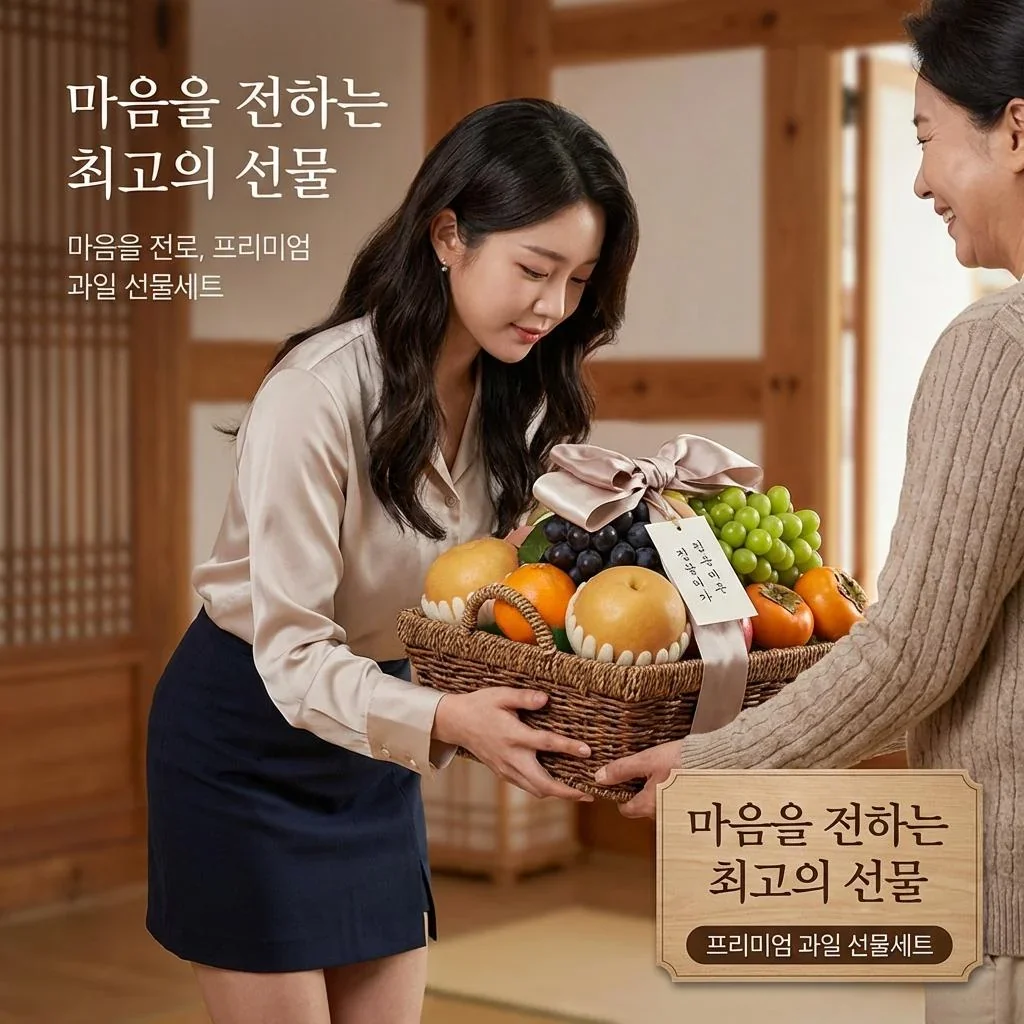
Forget expensive baubles. When visiting a home, premium toilet paper or laundry detergent are the "gold standard" gifts. They symbolize smooth paths and growing prosperity.

Gifts

Why No Tipping?

In Korea, excellent service is factored into the wage. Tipping can be seen as an insult—implying the business treats its staff poorly or that the customer is flaunting wealth. Keep your bills; a simple "Gamsahamnida" (Thank you) is the best reward.

Visitor FAQ

Q: I sat in priority seating by mistake. Now what?

Get up immediately. A slight bow to any elders nearby will smooth over the mistake and show your respect for the rule.

Q: How can I pay for dinner if they insist?

It's hard to override a senior. Instead, offer to buy coffee or dessert afterward. It's a gracious way to reciprocate.

Q: Can I take photos of people in public?

Generally, no. Privacy is highly valued. Always ask before photographing someone, especially the elderly.

Ready for your K-Adventure?

Korean etiquette is essentially an exercise in humility and community. By observing and showing respect, you'll find Koreans to be incredibly welcoming hosts. Back to Top

Navigating Korea’sUnspoken Rules

Cultural Intelligence

Navigating Korea’s Unspoken Rules

The space between people says more than words. Master the delicate balance of Nunchi in a world where tradition meets the digital frontier.

Modern Korea vs Tradition

Social Fusion Korean life operates on two conflicting systems: rigid Confucianism and hyper-individualism.

Foreign Expectations

Visitors often anticipate a serene, uniformly polite society influenced by K-Dramas. They expect ancient customs to be followed universally and without friction.

The Reality

A fast-paced, high-pressure environment where traditions clash with modern life. Politeness is a highly specific language of hierarchy, not just general kindness.

What Koreans Actually Notice

Calibration of Age

"How old are you?" is essential data. It establishes correct honorifics and social standing instantly.

Two Hands

Cards and items must be given/received with both hands.

Subway silence

Spatial Awareness

The "invisible force field" of priority seats and total silence on public transport.

The "Blank Stare" Friction

A younger generation processing info versus elders expecting an immediate verbal response. This friction is a hallmark of modern Korean social shifts.

The Hierarchy Paradox

Efficiency vs. Tradition: Why doors might close in your face and why the "Ajumma push" isn't an act of aggression, but a spatial reality.

Common Misunderstandings

01

Social Isolation Ritual

Pouring your own drink signals social isolation. Always pour for others and let them pour for you. 02

The Taxi Wave

Waving with an upturned palm is offensive—it's how one calls a dog. Use palm facing down. 03

Efficiency vs. Rudeness

Public chivalry (holding doors) is rare because the focus is on personal efficiency in high-density spaces.

The Root: Confucianism & Speed

The foundation prioritizes social harmony and a rigid hierarchy. Maintaining group order is more important than individual expression. Palli-Palli The "Hurry-Hurry" culture demanding extreme efficiency. Untact

Avoiding social exhaustion through digital kiosks and solo culture.

Traditional vs Modern

Actionable Guide: Navigate Like a Local

01

State Your Age Clearly

When asked, answer directly. This allows locals to place you in the hierarchy and use the correct language—a sign of respect for them. 02

Master the Two-Hand Rule

Handing over passports, cards, or gifts? Use both hands or support your right forearm with your left hand to show humility. 03

Observe Public Silence

Put in headphones immediately. Respect the communal peace over your individual conversation. Use Naver Map for transit. 04

Master "Nunchi"

The art of situational awareness. Pause and observe. Are others waiting for elders? Where are the utensils? Read the room before you act. 05

Digital First Mindset

Message on KakaoTalk before calling. Use kiosks at cafes. Keep Papago ready for real-time translation. 06

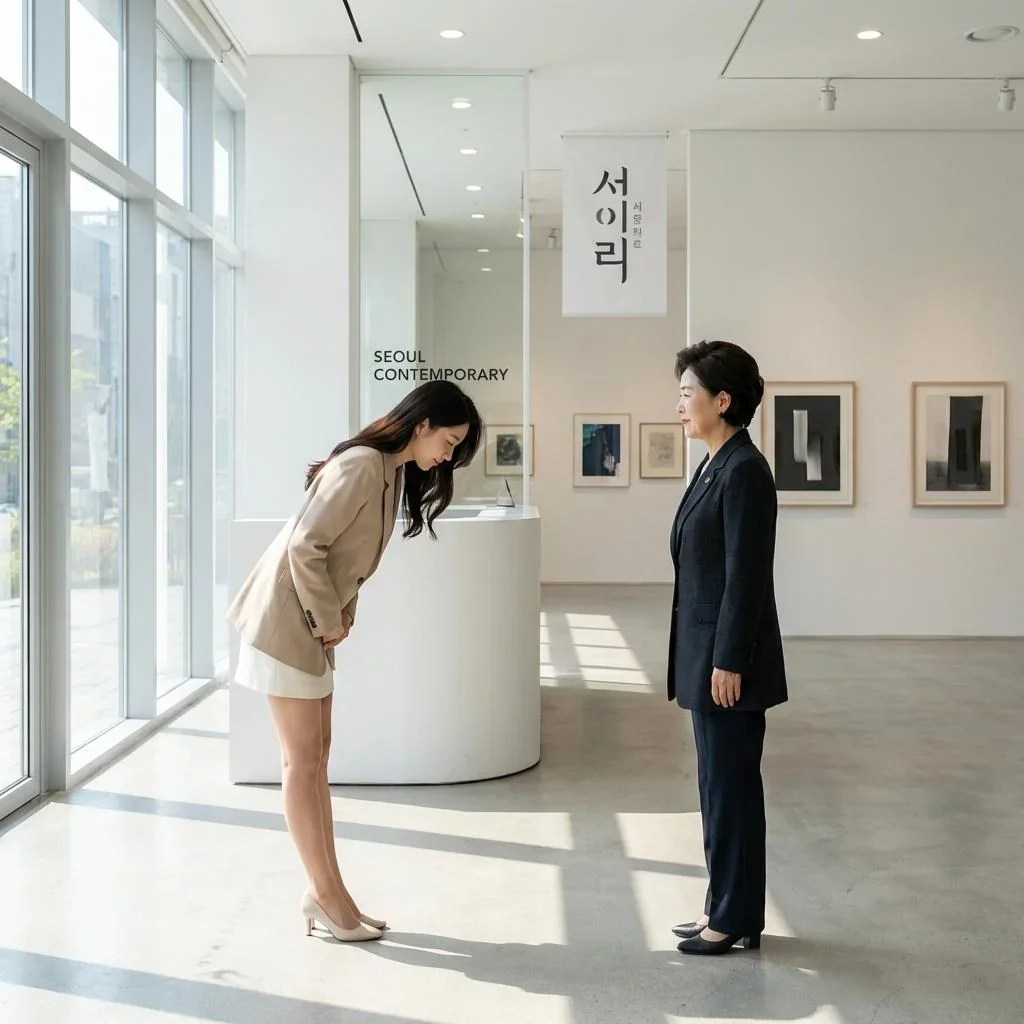
The Apology Bow

A quick 15-degree bow and a soft

"Joesonghamnida" fixes almost any minor transgression or bump.

Maintain the Balance

"Navigating Korea is less about memorizing rules and more about understanding the desire for social harmony. Move from a visitor following a script to an informed practitioner of a complex social language." Master the Etiquette

The Unspoken Rules ofKorean Waste Disposal

A thoughtful foreigner in a Seoul neighborhood at dusk

Seoul Life Guide

The Unspoken Rules of Korean Waste Disposal

Why your trash says more about you than you think. A practical guide to Korean etiquette.

In Short

"In Korea, trash disposal is a civic responsibility, not a simple act of throwing things away. The core life hack is to purchase specific, government-issued bags

and meticulously

clean and separate

all recyclables before disposal."

What Visitors Expect vs. Reality

The Expectation

Visitors assume waste disposal is a universal utility, expecting public bins on every corner and a simple system.

The Reality

A near-total absence of street-level bins and a highly regulated, pay-per-volume system that requires active participation.

A recycling corner at a Seoul apartment

What Koreans Actually Notice

Using a plain plastic bag instead of the official district-issued bag. Placing un-rinsed plastic containers or coffee cups in the recycling area. Mixing items like chicken bones or eggshells into the food waste bags. Leaving trash out on a non-collection day, disrupting neighborly cleanliness.

Common Myths

The complexity of the system leads to frequent errors by those unfamiliar with its logic. These small mistakes can cause significant issues downstream. MYTH 01

All food-related scraps are "food waste."

FACT: Bones & shells are general waste. MYTH 02 One district's bag works in another. FACT: Bags are strictly district-specific. MYTH 03 Recycling is one single bin for all. FACT: Clean & separate by material type. MYTH 04 Leave street food trash anywhere. FACT: Return it to the original vendor.

Clean recycling

Why It's Like This

High population density and limited landfill space led to the "Jongnyangje" (Pay-As-You-Throw) system. It makes individuals conscious of consumption, fostering a strong sense of collective environmental responsibility.

Actionable Guide: Navigate Like a Local

01

Identify your District

Look at street signs or map apps for your Gu (구), e.g., "Mapo-gu". Bags are district-specific. Why: Waste management is funded and managed at this local level. 02

Buy the Correct Bags

Visit convenience stores (GS25, CU). Ask for "Ilban sseuregi bongtu" (General) and "Eumsikmul sseuregi bongtu" (Food). Why: The cost of the bag pays for its collection and processing. 03

Set Up Your Home System

Use three separate containers: one for general waste, one for food waste, and a larger one for clean recyclables. Why: Separating at the source prevents contamination and speeds up disposal. 04

Master the Food Waste Rules

Only compostables go here. Hard items (bones, pits), fibrous skins (onion), and tea bags are General Waste . Why: Food waste is often processed into animal feed. Non-compostables are harmful. 05

Use an App for Uncertainty

Download "Bin Buddy" . Snap a photo of any item to learn the correct disposal rules for your specific district. Why: This removes guesswork for complex items like mixed packaging. 06

Check Local Collection Rules

Check your lobby notice board for the disposal schedule. Recyclables often have a specific pickup day. Why: Following the schedule prevents clutter and ensures timely pickup.

Culture in a Can

Learning to manage waste in Korea is more than a practical chore; it is an exercise in cultural understanding. By engaging with this system, you move from being a passive observer to an active participant in the social fabric, showing respect for the shared environment and the collective effort that maintains it.

Korean Hierarchy in Casual Friendships: What Foreigners Misread in Korea

Start here: Daily Life in Korea Explained for Foreigners

Foreigners often assume hierarchy only matters at work. In Korea, hierarchy can appear even in casual friendships through language, behavior, and small expectations.

This does not mean relationships are cold. It means social roles are often recognized more explicitly than foreigners expect.

What foreigners expect

Many foreigners expect friendships to be automatically equal. They assume age differences will not affect how people speak or behave once they become friends.

So they feel surprised when people ask age early or adjust tone after learning it.

What Koreans actually notice

In Korea, age and context often shape language and expectations. Many people see it as normal social structure, not personal judgment.

  • Speech levels matter. Politeness levels can change depending on age and closeness.
  • Age is a coordination tool. Asking age early helps set the “default mode” for interaction.
  • Closeness is built over time. Switching to casual speech often happens after trust is established.

Common misunderstandings

  • “Asking age is rude.” Often it is a practical step to avoid social mistakes.
  • “Hierarchy means inequality.” Many Koreans see it as role clarity, not value judgment.
  • “Casual speech is always better.” Using casual speech too early can feel disrespectful.

Why it’s like this in Korea

Korea has strong traditions of role-based communication. Language carries social meaning, and many people prefer predictability over ambiguity in first meetings.

  • Language encodes roles. Politeness is built into grammar and word choice.
  • Group harmony preference. Clear defaults reduce awkwardness in mixed-age settings.
  • Long-term social overlap. People often stay connected through shared networks, so first impressions matter.

What to do differently

  • Do not panic about age questions. Treat it as a coordination step, not an insult.
  • Follow the other person’s speech level. Matching tone is safer than forcing equality language.
  • Let closeness develop naturally. Casual speech usually comes after repeated comfortable interactions.

Conclusion

Korean hierarchy in friendships is often about language and social coordination, not personal value.

Once foreigners understand the local logic, friendships feel less confusing and social interactions become much smoother.

Why Service in Korea Feels Kind but Distant to Foreigners

Start here: Daily Life in Korea Explained for Foreigners

Many foreigners describe Korea as efficient and polite, yet also say something feels emotionally distant in everyday service interactions.

Both impressions can be true. The gap comes from different cultural expectations about what “kind service” looks like.

What foreigners expect

In many countries, kindness is expressed through warmth: smiles, small talk, and personal friendliness.

Foreigners may expect emotional signals as proof that service is “good.”

What Koreans actually notice

In Korea, service is often judged by speed, accuracy, and smooth process. Emotional warmth can exist, but it is not always the main signal.

  • Efficiency is a form of respect. Fast and correct service shows consideration for the customer’s time.
  • Boundaries are normal. Staff may avoid personal closeness as part of professional distance.
  • Less small talk. Many interactions are short and functional by default.

Common misunderstandings

  • “No smile means rudeness.” Neutral expression can be normal, not hostile.
  • “Directness is required.” Some staff may be polite but brief to keep the flow moving.
  • “Distance means dislike.” Professional distance often protects both sides from awkwardness.

Why it’s like this in Korea

Korea’s daily life is fast and crowded, and service work is often high-volume. Many systems prioritize smooth flow over extended personal interaction.

  • Speed culture. Busy environments reward fast and standardized interactions.
  • Role-based communication. Politeness is expressed through proper role behavior, not personal warmth.
  • Low disruption preference. Short interactions reduce friction for everyone in the space.

What to do differently

  • Judge service by outcome. Was it accurate, fast, and clear?
  • Use simple polite language. Basic phrases and calm tone go a long way.
  • Do not take neutral tone personally. It is often a default, not a message.

Conclusion

In Korea, kindness in service often looks like efficiency and correctness rather than emotional warmth.

Once you adjust expectations, many interactions feel less confusing and more consistently respectful.

The SilentTransaction

Digital Etiquette Guide

The Silent Transaction

Navigating the seamless, high-tech evolution of Korea's cafe culture where code meets caffeine.

The Reality

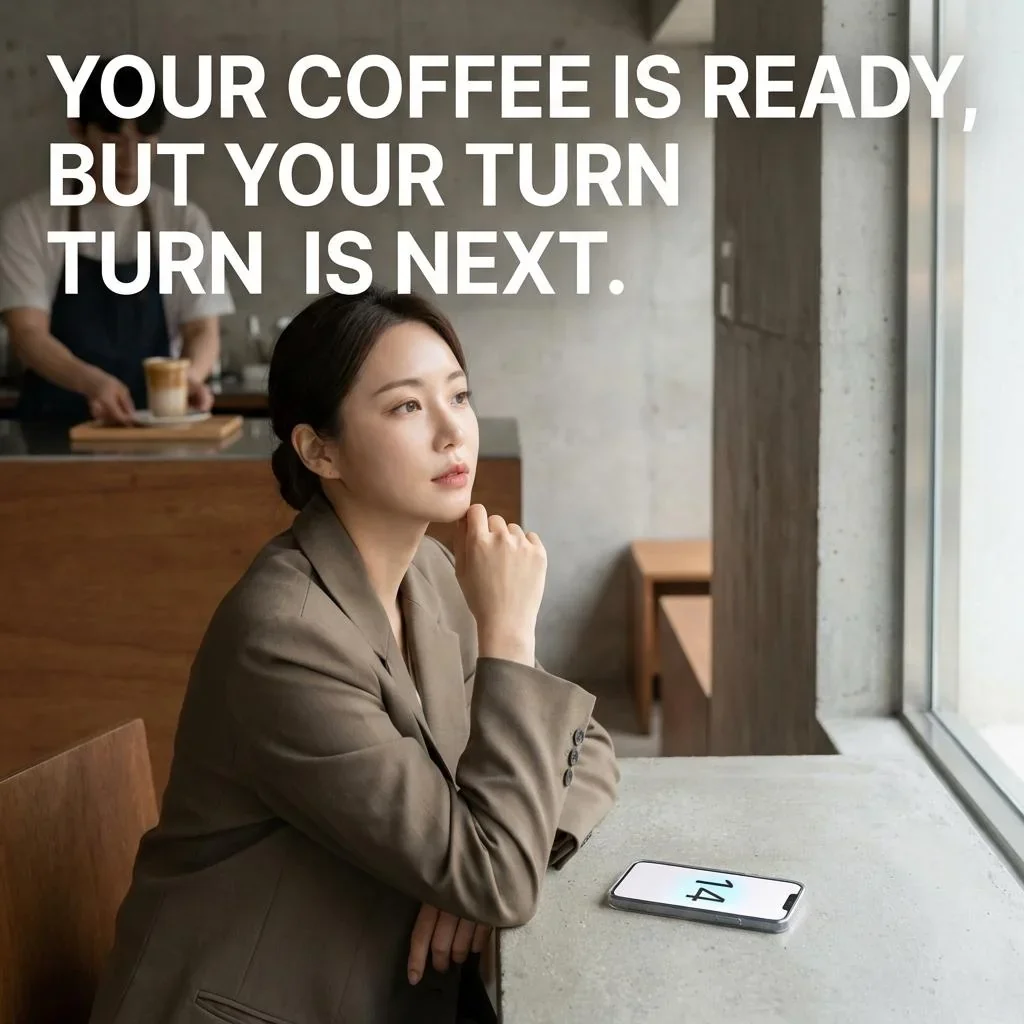
"Your coffee is ready, but your turn is next." Learn to bypass the digital hurdles and navigate Seoul's eateries like a local.

The Core Insight

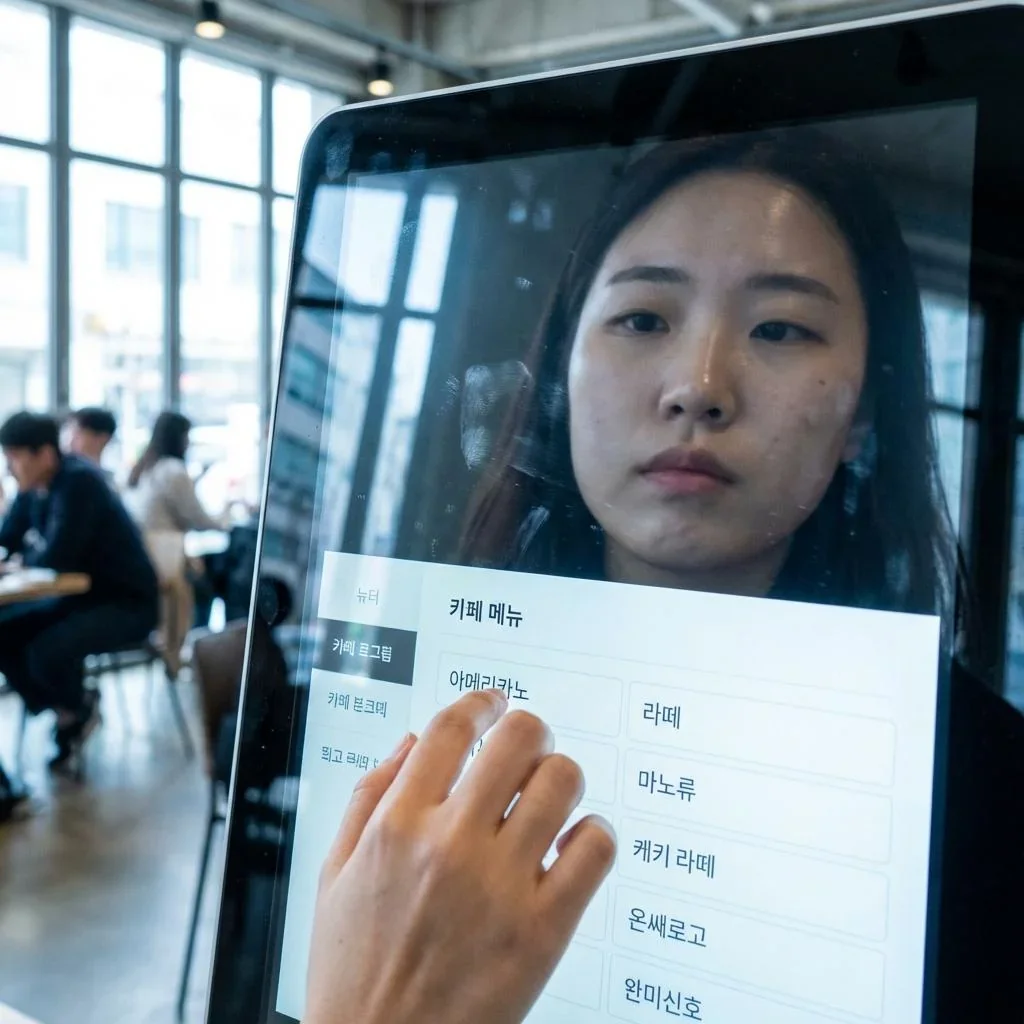
Korean cafes and restaurants prioritize digital efficiency through kiosks and waiting apps. To navigate this system, learn to spot the language-change button and, most importantly, download the "CatchTable Global"

app before your trip.

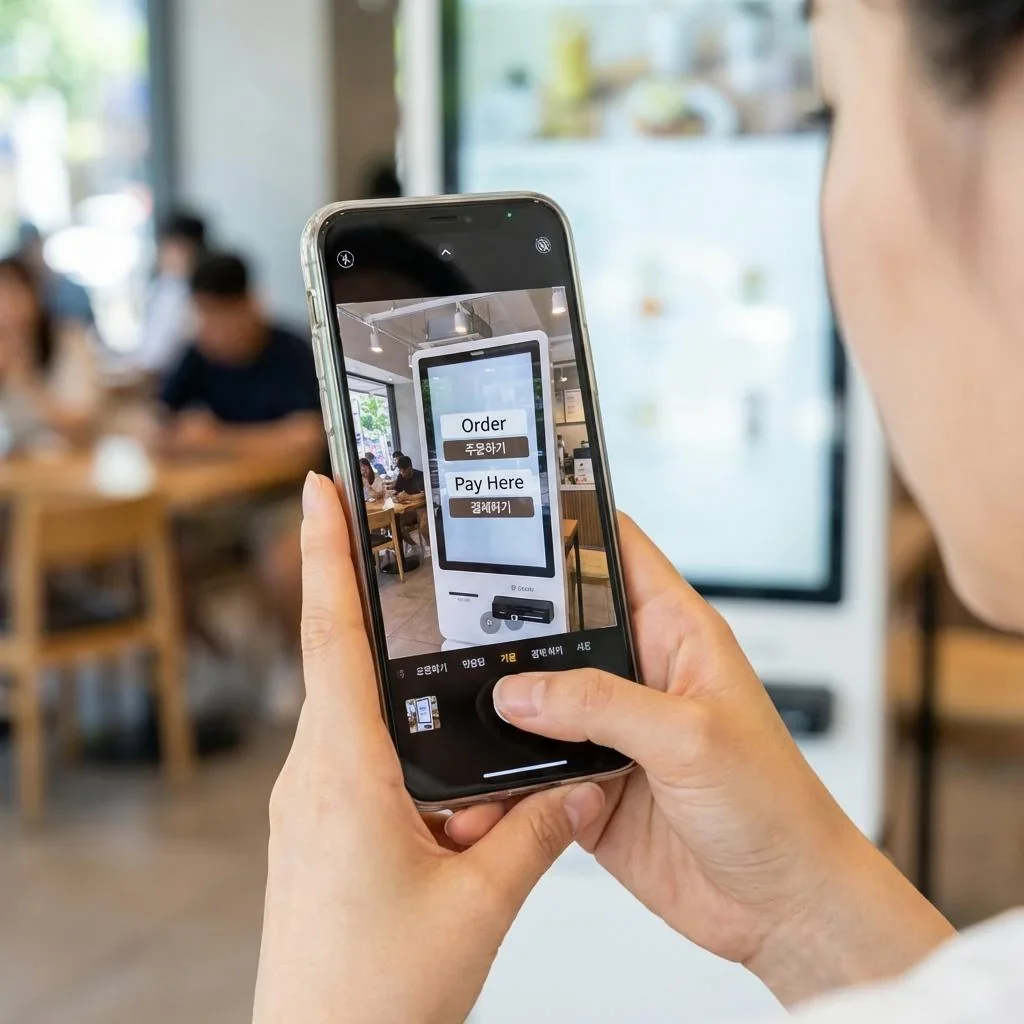
Foreigner looking at a Korean cafe kiosk

Expectation vs. Reality

What Visitors Expect Cozy, intimate experiences portrayed in media. Leisurely chats with baristas, slow-paced ordering, and a romanticized environment built on personal interaction and "main character" vibes. The Reality

A swift, often impersonal system of digital ordering screens and virtual queues. Efficiency is the priority, replacing small talk with a silent, high-tech transaction that prioritizes throughput.

Busy Seoul cafe kiosk line

What Locals Actually Notice

1

Queue Friction

A visitor hesitating at the kiosk, visibly slowing down the "ppalli-ppalli" flow during the lunch rush.

2

Ghost Queues

Waiting in a physical line for a popular restaurant while everyone else has already joined the digital queue via app. 3

Bypassing the Flow

Approaching staff directly when a kiosk is available is seen as an disruption to the standardized system.

Debunking the Myths

"Dismissive Staff"

Pointing to a kiosk isn't rude; it's the standard SOP. Staff are trained to keep the digital ecosystem moving.

"The Empty Restaurant"

An empty venue with a "waiting list" isn't closed—it's fully booked by virtual queue users arriving shortly.

"Digital Literacy"

The barrier isn't tech skill; it's the lack of multilingual support in local, non-franchise establishments.

Why It Works This Way

"The system is a direct expression of Korea’s 'ppalli-ppalli' (hurry-hurry) culture, which prizes speed and efficiency above all else." Digital kiosks reduce errors and labor costs while satisfying a cultural preference for minimizing unnecessary small talk. A long virtual queue even signals popularity, turning waiting into a social currency for locals.

Minimalist Seoul cafe with glowing kiosk

Navigating Like a Local

Your toolkit for digital success in the streets of Seoul.

1. CatchTable Global

Download this before arrival. It allows reservations and virtual waiting lists without a Korean phone number or bank account. 한글 KR

2. Master the Keywords

주문하기 Order 포장 Takeout 매장 For Here 결제하기 Pay

3. Scan for Flags

Always check the screen corners for a small flag icon or "ENG." Major chains like Mega Coffee or Hollys Coffee almost always have this hidden in plain sight.

4. Naver Papago

The "Golden Key." Use the camera function for real-time translation of any kiosk screen or physical menu. It's more accurate than other tools for Korean context.

Quiet Confidence

Adapting to Korea’s cafe culture is a shift from personal service to an appreciation for streamlined, quiet efficiency. By mastering these digital tools, you move from being a confused visitor to an informed practitioner, navigating the city’s social rhythm with quiet confidence.

Back to Top

That's Rude?!Korea's Hidden Rules

The Insider's Guide

That's Rude?! Korea's Hidden Rules

Master the unspoken social codes of Korea. From Nunchi to dining etiquette, navigate life like a local and avoid the cultural traps that catch most visitors. 01 Prioritize group harmony & hierarchy over individualism. 02 Master Nunchi : Reading the room and unspoken cues. 03 Respect is shown through small gestures, like using two hands.

Western Logic vs. Korean Rules

Eye Contact

Western Sense Direct eye contact shows honesty and confidence. Korean Rule Can be seen as aggressive/rude, especially with elders. Averting gaze shows deference.

Personal Space

Western Sense Personal space is a sacred "bubble" for everyone. Korean Rule Public pushing is normal; however, casual touching in social settings is a major offense.

Refusals

Western Sense "No, thank you" is a clear and polite refusal. Korean Rule Direct "no" is rude. Vague answers (like "it might be difficult") usually mean "no" to save face.

The Biggest Foreigner Mistakes

Sticking chopsticks upright in rice isn't just rude—it's a reminder of funeral rituals. Most cultural traps stem from assuming Western logic applies to a society that prioritizes communal harmony over individual expression.

• ✦Drinking Rituals:Never pour your own drink and always use two hands to receive.

• ✦Red Ink:Never write names in red; it's traditionally associated with the deceased.

• ✦First Names:Avoid addressing new acquaintances by their first names—titles matter.

Korean Cultural Mistake

✓ The Benefits

Social Stability Promotes incredible harmony and a sense of shared purpose in society. Clear Expectations Knowing hierarchy reduces the anxiety of "what to do" in formal meetings. Deep Community

A strong sense of belonging and "Jeong" (affectionate attachment).

✕ The Challenges

Restrictive Culture Can feel like it stifles individual creativity and expression. Miscommunications Indirect communication and "saving face" can lead to confusion for expats. Stress to Conform The "Pali-Pali" pace and group pressure can be mentally exhausting.

Respecting Elders

The Art of Nunchi

Nunchi, or "eye-measure," is the secret weapon for anyone in Korea. It’s the ability to sense the mood (Kibun) of a room without a word being spoken. 1 Don't speak first; observe the hierarchy and leaders. 2 Match your energy level to the room's overall vibe. 3 Identify the quiet ones—they often hold the social truth.

The Etiquette Toolkit

Bowing

15° for peers or store clerks. 30-45° for first meetings, apologies, or showing deep gratitude to seniors.

Dining

Use communal ladles for shared stews. Never start eating until the oldest person picks up their spoon.

Transport

Absolute silence is preferred. Never sit in the end seats reserved for the elderly, even if the car is empty.

Gift Giving

Avoid "4" of anything. Avoid sharp objects. Present all gifts with two hands.

Korean Dining

Pro Tip Turn your head slightly away when drinking alcohol with an elder.

"Pali-Pali" vs. Business Punctuality

Korea moves fast, but respect moves faster. For business, 10 minutes early is "on time." For friends, there's a bit more wiggle room, but never leave a text unanswered if you're running late.

! Insider's Secret: The Discomfort Report

Don't like confrontation? Use the subway's "Discomfort Report" hack. Every car has a call button or text-based service. Report disruptions (loud music, peddlers) discreetly by stating your car number. Transit staff will handle it at the next stop.

Cultural FAQ

Is it rude to refuse food? It can be. Better to accept and take a small sip or bite. If you can't drink, state it politely but early. Why do they ask my age? It's not nosy—it's necessary. Age defines the language style (formal vs. informal) and the hierarchy of the relationship. Why is pushing okay on the subway? In anonymous public spaces, it's a functional necessity for efficiency. It's not a personal slight, just urban physics.

Local Living: The Essentials

Adapting to Korean life also means adapting to the environment. From managing

Nanbangbi (heating bills) to fighting the ultra-dry winters with Laneige Cream Skin , these are the daily rituals of a local. Laneige Cerapeptide™ Hongcho Fruit Vinegar

Alzip Noise Mats

Moisturizer Mists

Korean Modern Living

Start Your Journey with Respect

While Koreans are generally understanding of foreigners, making a genuine effort to understand these deeper cultural rules will earn significant respect and foster more meaningful connections.

Nunchi in Korea Explained: Why Social Situations Feel Different

Start here: Daily Life in Korea Explained for Foreigners

Many foreigners hear the word “nunchi” and feel pressure, as if they must master an invisible skill to survive in Korea.

In reality, nunchi is a practical social habit: noticing expectations without being told.

What foreigners expect

In many cultures, people communicate discomfort directly. If something is wrong, someone will say it clearly.

Foreigners in Korea often expect the same style, and feel confused when feedback is indirect or silent.

What Koreans actually notice

Koreans often manage comfort through subtle signals rather than direct confrontation. People pay attention to context, timing, and group mood.

  • Context matters more than words. The same sentence can mean different things depending on the situation.
  • Group harmony is prioritized. People avoid open conflict in everyday settings.
  • Silence can be information. Lack of response can signal “not the right time” rather than rejection.

Common misunderstandings

  • “Nobody said anything, so it’s fine.” Sometimes people avoid direct correction even when uncomfortable.
  • “Indirect means dishonest.” Indirectness is often used to reduce friction, not to hide truth.
  • “I must read minds.” Nunchi is more about observing patterns and adjusting gently.

Why it’s like this in Korea

In dense social environments, direct confrontation can create long-term discomfort. Indirect signals help people keep relationships stable and daily life smooth.

  • High context communication. Shared cultural assumptions reduce the need for explicit explanation.
  • Low confrontation preference. Many people see direct correction as harsh in casual settings.
  • Group-based settings. Work, school, and friend groups often overlap over time.

What to do differently

  • Watch timing and tone. Pay attention to when people speak, pause, or change topics.
  • Adjust softly. Small changes usually work better than dramatic apologies or debates.
  • Ask simple clarification when needed. A calm question is often better than guessing.

Conclusion

Nunchi is not a magical concept. It is a practical habit of noticing context and reducing friction.

Once you treat it as “reading the situation,” social life in Korea becomes less mysterious and more predictable.

Korean Recycling and Trash Rules: What Foreigners Often Get Wrong

Start here: Daily Life in Korea Explained for Foreigners

Foreigners often expect trash disposal to be simple: put everything in one bag and throw it away anytime.

In Korea, trash and recycling follow local systems that can feel confusing until you learn the logic behind them.

What foreigners expect

Many visitors expect a single bin system and clear universal labels. They also expect rules to be explained directly.

When they cannot find a simple “trash” bin, they feel stuck or worried about doing the wrong thing.

What Koreans actually notice

Koreans often treat trash disposal as a routine system tied to neighborhoods and apartments. The goal is separation, cleanliness, and predictable collection.

  • Separation is normal. Different categories are handled differently.
  • Timing matters. Some areas have specific days or times for disposal.
  • Building systems vary. Apartments and neighborhoods may use different collection styles.

Common misunderstandings

  • “Recycling rules are the same everywhere.” The categories and methods can vary by building and district.
  • “Any bag is fine.” Some areas require specific bags or specific disposal methods.
  • “If I can’t read Korean, I can’t do it.” You can usually follow category logic and visual cues once you know the basics.

Why it’s like this in Korea

Korea’s system is shaped by dense living environments and strong expectations about shared cleanliness. When many people live close together, disposal becomes a community issue.

  • High-density housing. Mismanaged trash creates immediate problems for neighbors.
  • Neighborhood-level collection. Rules match local infrastructure and pickup schedules.
  • Shared responsibility culture. People expect others to follow the system without reminders.

What to do differently

  • Learn the basic categories. Start with general trash, recyclables, and food waste rules used in your building.
  • Copy your building’s default. Watch how neighbors label, tie, and place items.
  • When unsure, ask the building office. A short check prevents repeated stress later.

Conclusion

Korean recycling and trash rules can feel strict because they protect shared living space. The system becomes easy once you learn your building’s local default.

Instead of guessing, treat it as a local infrastructure rule—like transit or addresses.

Shoes Inside Korean Homes: The Rule Foreigners Misunderstand in Korea

Start here: Daily Life in Korea Explained for Foreigners

Foreigners often learn one basic rule quickly: take your shoes off in a Korean home.

But many misunderstand what this rule means and how it affects daily behavior inside Korean living spaces.

What foreigners expect

Many visitors assume this is only about cleanliness. They think it is the same as “no shoes on carpet” in some countries.

So they follow the rule loosely and are surprised when people seem stricter than expected.

What Koreans actually notice

For many Koreans, the home is treated as a protected zone. Shoes are associated with outside dirt, but also with the outside world and public space.

  • Clean zones are intentional. Entryways often separate “outside” and “inside.”
  • Slippers are part of the system. Some homes use indoor slippers, and bathrooms may have separate slippers.
  • It signals respect. Following the rule carefully is often read as basic consideration for the household.

Common misunderstandings

  • “It’s only about dirt.” It also reflects how Koreans define private space.
  • “Bare feet are always fine.” Some homes prefer socks or slippers for comfort and hygiene.
  • “I can step in briefly with shoes.” Even a few steps can feel uncomfortable to the host.

Why it’s like this in Korea

Korea’s daily life depends on clear boundaries between public and private space. Many people sit on floors, use floor-based living areas, and treat indoor space as “clean by default.”

  • Floor-based 생활. Sitting and resting on floors makes indoor cleanliness feel more important.
  • Dense urban environment. Outside shoes pick up dust, rain, and city residue quickly.
  • Shared expectation culture. People rarely announce the rule because it is assumed.

What to do differently

  • Pause at the entryway. Follow the host’s pace and look for slippers.
  • Notice bathroom slippers. If you see separate slippers, use them only in that area.
  • When unsure, ask simply. A short question is better than guessing in a symbolic rule.

Conclusion

The shoes rule in Korea is not just a hygiene habit. It reflects how Koreans protect home space and show respect through small actions.

Once you understand that logic, the rule feels less strict and more predictable.

Understanding the Unspoken Social Rules and Cultural Logic of Daily Life in Korea

Start here: Daily Life in Korea Explained for Foreigners

In short: This post explores the cultural logic and unspoken social norms that define daily life and interactions within Korea.

What foreigners expect

Foreigners often expect social interactions to be guided by individual preferences or universal rules of politeness. Many assume that house rules are flexible or that friendliness looks the same across all cultures. There is frequently an expectation that logic alone will explain how systems like waste management or social hierarchies function.

What Koreans actually notice

Locals pay close attention to how individuals respect the shared environment and social harmony. Observance of these details signals an awareness of the collective space and the people within it. Small actions indicate whether a person understands the underlying social rhythm of the country.

  • Whether shoes are completely removed before stepping into a home or certain traditional spaces
  • The precision with which household trash is sorted into specific categories for recycling and food waste
  • The use of nunchi, or the ability to read the room and adjust behavior without being told
  • The level of formality used when addressing someone who is older or in a higher social position

Common misunderstandings

Misinterpretations often occur when foreign visitors apply their own cultural frameworks to local situations. What feels like a cold interaction may actually be a sign of professional boundaries and efficiency. Misunderstanding these signals can lead to unnecessary frustration or social friction in daily life.

  • Viewing "service" culture as personal friendliness rather than a professional and efficient transaction
  • Assuming that casual friendships do not involve hierarchical respect based on age or status
  • Thinking that refusing an alcoholic drink is a personal rejection rather than a health or preference choice
  • Believing that strict recycling rules are merely suggestions rather than legally enforced municipal systems

Why it’s like this in Korea

The social structure in Korea is built on a foundation of collective responsibility and historical hierarchy. Maintaining harmony within a group is often prioritized over individual expression in public spaces. This creates a society that operates through high-context communication, where much of the meaning is found in the situation rather than words.

What to do differently

Instead of trying to copy every behavior exactly, focus on understanding the context and the intent behind the rules. Observing how others behave in a specific setting can help clarify what is expected of you. This approach reduces the mental load of navigating a new culture and prevents common social errors.

  • Observe how others sort their waste and use the specific bags required by each local district
  • Wait for the eldest person at a table to begin eating or drinking before starting yourself
  • Practice nunchi by being mindful of noise levels and physical space in crowded public areas
  • Politely decline alcohol by offering a brief explanation to maintain the social atmosphere without participating

Conclusion

Navigating life in Korea becomes much simpler once the cultural logic is clear. By recognizing unspoken rules and social norms, the daily experience feels more predictable and respectful. Understanding these contexts allows for a smoother integration into the local environment without the stress of constant guessing.

The Unspoken Social Contract

Social Etiquette Guide The Unspoken Social Contract In Korea, your trash says everything about you. It's not just waste; it's a m...